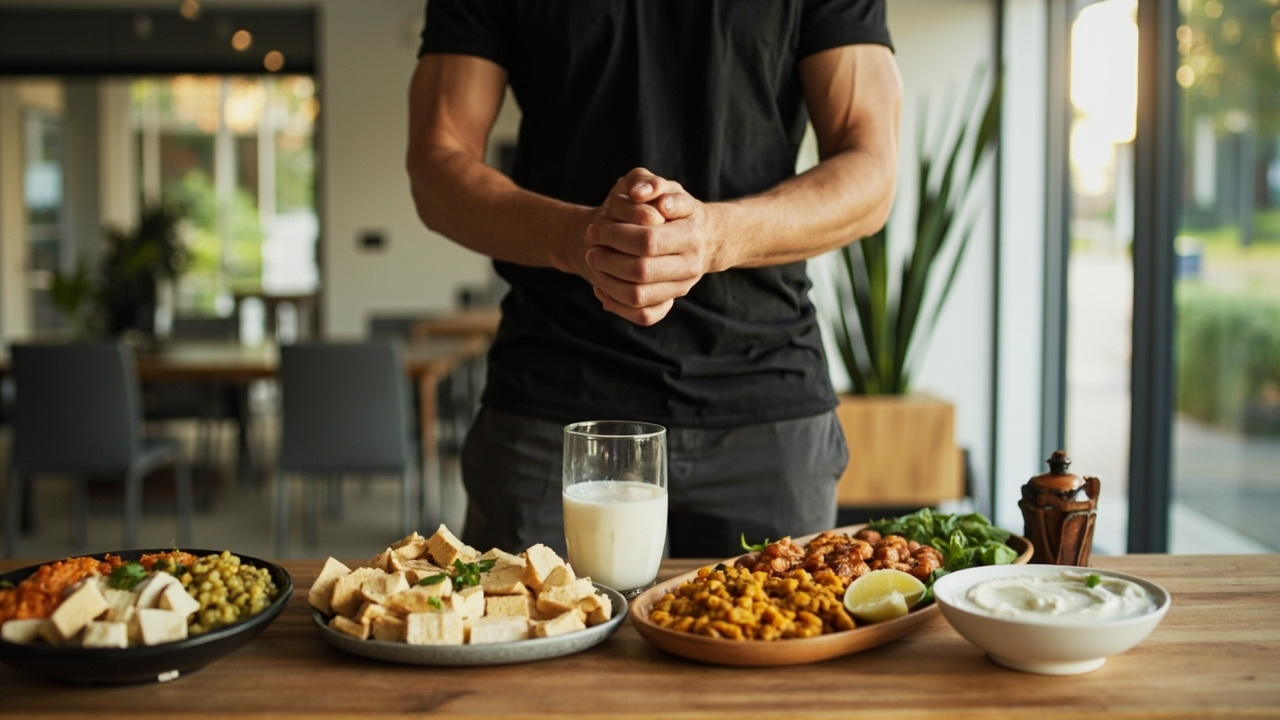
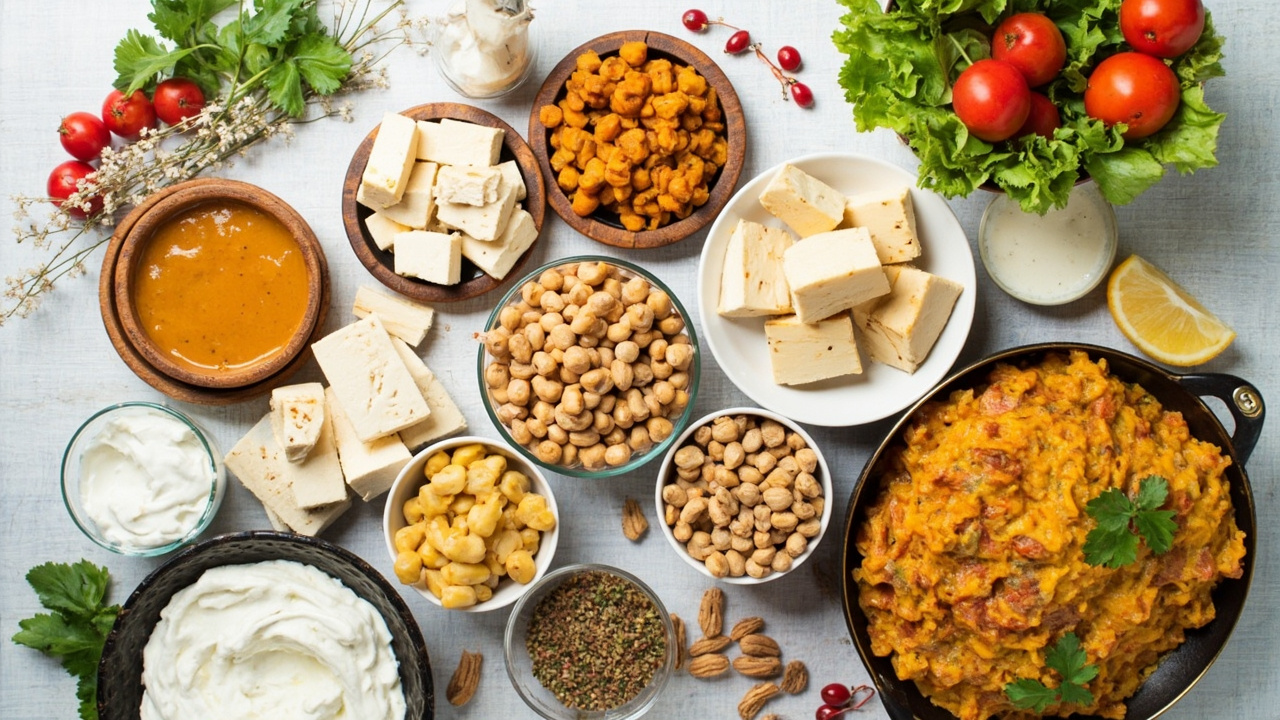
Building muscle requires adequate protein intake, and Indian kitchens offer excellent protein sources that fit perfectly into daily life. Whether you train at home or in a gym, consuming sufficient protein supports muscle repair, growth, and recovery after workouts. This guide presents the top five protein sources commonly available in Indian households, along with practical ways to include them in your fitness diet.
Why Protein Matters for M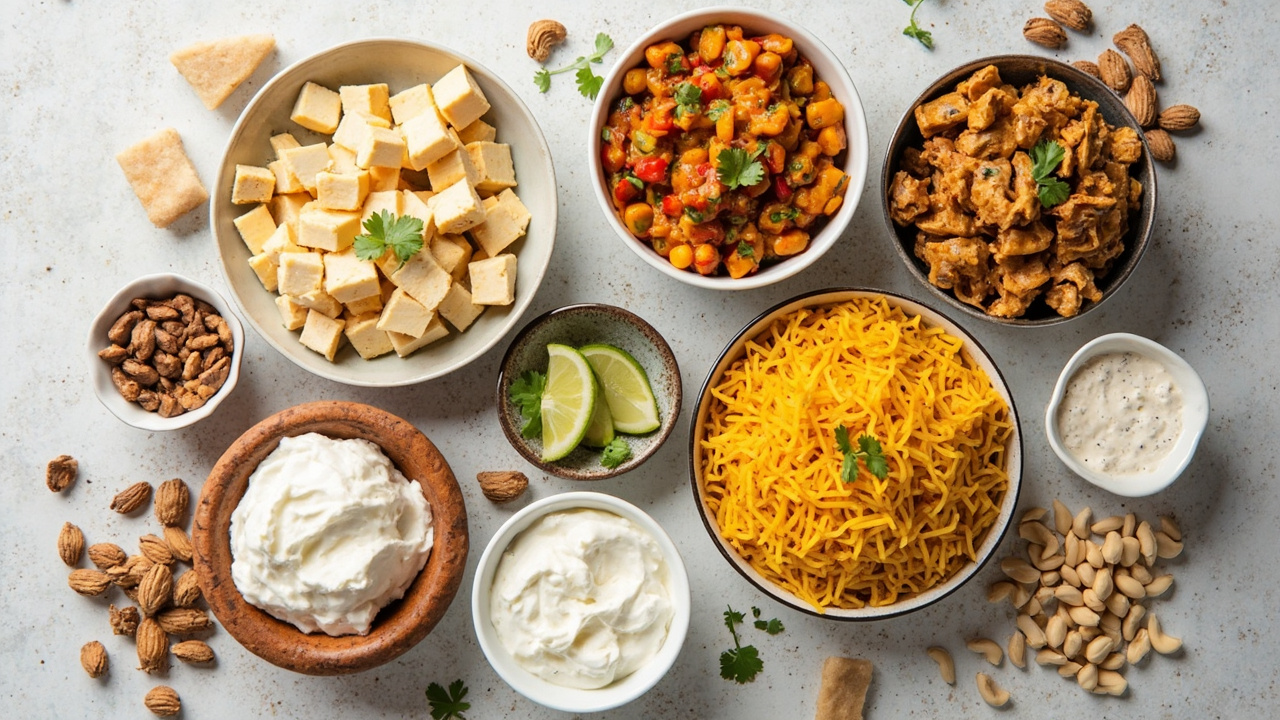 Muscle Building
Protein consists of amino acids, which serve as the building blocks for muscle tissue. During strength training, muscle fibers experience microscopic damage that repairs and grows back stronger. Without adequate protein, this repair process suffers, limiting muscle gains. Research suggests consuming 1.6 to 2.2 grams of protein per kilogram of body weight daily for optimal muscle building. Indian diets naturally include protein-rich foods, making it easier to meet these requirements without expensive supplements.
Top 5 Protein Sources for Indians
1. Paneer (Cottage Cheese)
Paneer stands as one of the most versatile protein sources in Indian cuisine. With approximately 18 grams of protein per 100 grams, paneer provides substantial muscle-building benefits. It also offers calcium for bone health and casein protein that digests slowly, providing sustained amino acid release. Paneer works well in stir-fries, parathas, scrambles, and grilled dishes. For maximum benefits, include 100-150 grams of paneer daily in your diet. Choose low-fat paneer options when watching overall calorie intake.
2. Dal (Lentils)
Dal forms the foundation of Indian protein intake. Different varieties offer unique nutritional benefits - masoor dal provides quick-absorbing protein, while chana dal offers higher fiber content. A single serving of cooked dal delivers 8-10 grams of protein, and combining dal with rice creates a complete protein profile containing all essential amino acids. Include dal in at least one meal daily for consistent protein intake. Rotate between toor dal, moong dal, urad dal, and chana dal throughout the week for amino acid diversity.
3. Chickpeas (Chana)
Chickpeas deserve special recognition for their protein content and versatility. With about 15 grams of protein per cup when cooked, chickpeas support muscle building while providing complex carbohydrates for energy. Chana dal, roasted chana, chole curry, and chana chaat offer multiple ways to enjoy this protein source. Sprouting chickpeas increases their protein bioavailability and vitamin content. Keep roasted chana as a healthy snack between meals to boost daily protein intake conveniently.
4. Greek Yogurt (Dahi)
Greek yogurt offers superior protein content compared to regular curd, with approximately 10 grams per serving. The probiotics support gut health and digestion, improving nutrient absorption throughout the digestive tract. Choose plain, unsweetened Greek yogurt to avoid added sugars. Mix yogurt with fruits, granola, or nuts for a protein-packed breakfast or post-workout snack. Dahi also works well in raita, smoothies, and marinades for grilled dishes.
5. Nuts and Seeds
Almonds, walnuts, peanuts, and seeds provide protein along with healthy fats essential for hormone production and joint health. A handful of mixed nuts delivers 5-7 grams of protein plus vitamin E, magnesium, and omega-3 fatty acids. Chia seeds, flaxseeds, pumpkin seeds, and sunflower seeds offer concentrated protein and anti-inflammatory compounds. Include a daily handful of mixed nuts and seeds as part of your balanced diet. Peanut butter on whole grain bread provides another convenient protein-rich option.
Protein Combination Tips
Combining protein sources enhances their muscle-building potential through complementary amino acid profiles. Dal with rice creates complete protein comparable to animal sources. Paneer with vegetables provides protein alongside vitamins and minerals. Yoga combinations like hummus (chickpeas + tahini) offer balanced amino acids. Aim to include at least two protein sources in each major meal for sustained muscle support throughout the day.
Sample Daily Protein Schedule
Early Morning: Soaked almonds (10-12 pieces) with warm water
Breakfast: Paneer bhurji with 2 rotis or Greek yogurt with fruits and chia seeds
Lunch: Dal with rice and raita, or chickpea curry with vegetables
Evening Snack: Roasted chana or handful of mixed nuts
Dinner: Paneer curry with vegetables or dal khichdi with curd
Common Mistakes to Avoid
Many Indians consume adequate protein through traditional foods but make errors that limit muscle-building results. Overcooking dal destroys heat-sensitive amino acids - cook dal until just tender for maximum nutrition. Relying solely on rice and roti for energy without adequate protein creates energy surplus without muscle-building substrates. Snacking on fried foods instead of protein-rich options wastes calorie budget. Track protein intake for one week to understand actual consumption patterns before making adjustments.
Conclusion
Indian kitchens contain exceptional protein sources that support serious muscle building when consumed consistently. Paneer, dal, chickpeas, Greek yogurt, and nuts provide variety, nutrition, and results without requiring expensive imported foods. Focus on including multiple protein sources daily, timing protein intake around workouts, and maintaining overall calorie balance for muscle growth. Combine these protein-rich foods with regular strength training and adequate rest to achieve your fitness transformation goals.
Start your protein-focused diet today and experience the difference that proper nutrition makes in your training results.