Age brings wisdom, experience, and a body that deserves thoughtful care. After 50, regular exercise becomes not just beneficial but essential for maintaining independence, bone density, metabolic health, and mental sharpness. Research shows that consistent physical activity can slow age-related decline by up to 50%, helping you stay active, independent, and vibrant for decades to come.
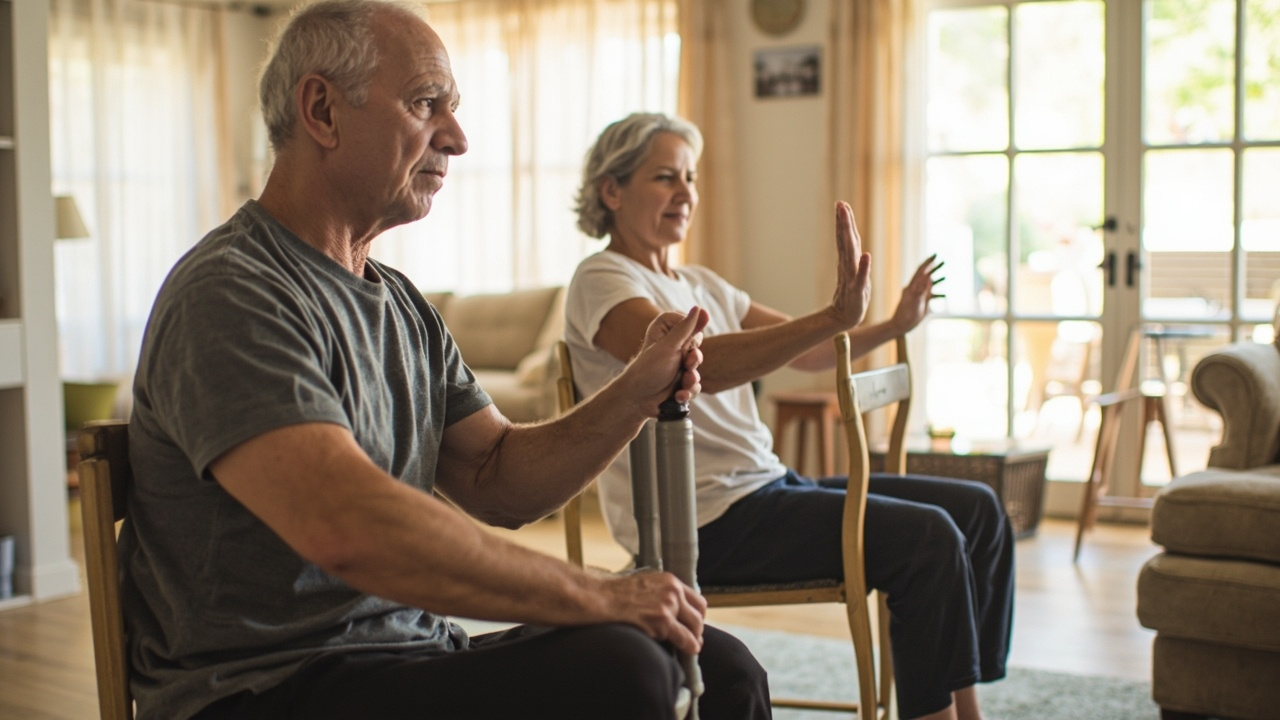
This comprehensive guide presents five effective workouts specifically designed for individuals over 50. Each workout focuses on safety, accessibility, and proven results. Whether you are a beginner or have been exercising for years, these routines will help you build strength, improve balance, and enhance your overall quality of life without risking injury.## Why Fitness Matters After 50
After 50, your body undergoes significant physiological changes. Muscle mass naturally declines—a condition called sarcopenia—leading to decreased strength and metabolism. Bone density reduces, making fractures more likely. Joints become stiffer, and the metabolic rate slows down considerably.
The good news? Exercise is the most powerful antidote to these changes. Regular physical activity improves balance to prevent dangerous falls, strengthens bones to combat osteoporosis, helps manage blood sugar and blood pressure levels naturally, and releases endorphins that combat depression and cognitive decline.
The CDC recommends at least 150 minutes of moderate-intensity aerobic activity per week, plus muscle-strengthening activities on two or more days. Following this guide will help you meet and exceed these recommendations safely and effectively.
Workout 1: Walking and Light Cardio
Walking remains the most accessible, affordable, and effective cardio exercise for seniors. A daily 30-minute walk at moderate intensity strengthens your heart, improves circulation, aids weight management, and boosts mood without stressing your joints.
Start with 10-15 minute sessions if you have been inactive, and gradually extend the duration and pace as your fitness improves. Walking indoors on a treadmill or simply around your house during inclement weather works equally well.
Include short bursts of slightly faster pace to elevate your heart rate and build cardiovascular fitness safely. In Indian cities, morning walks in parks or on terraces provide excellent opportunities for fresh air and community interaction. Even simple activities like climbing stairs or walking to the local market count toward your daily exercise goals.
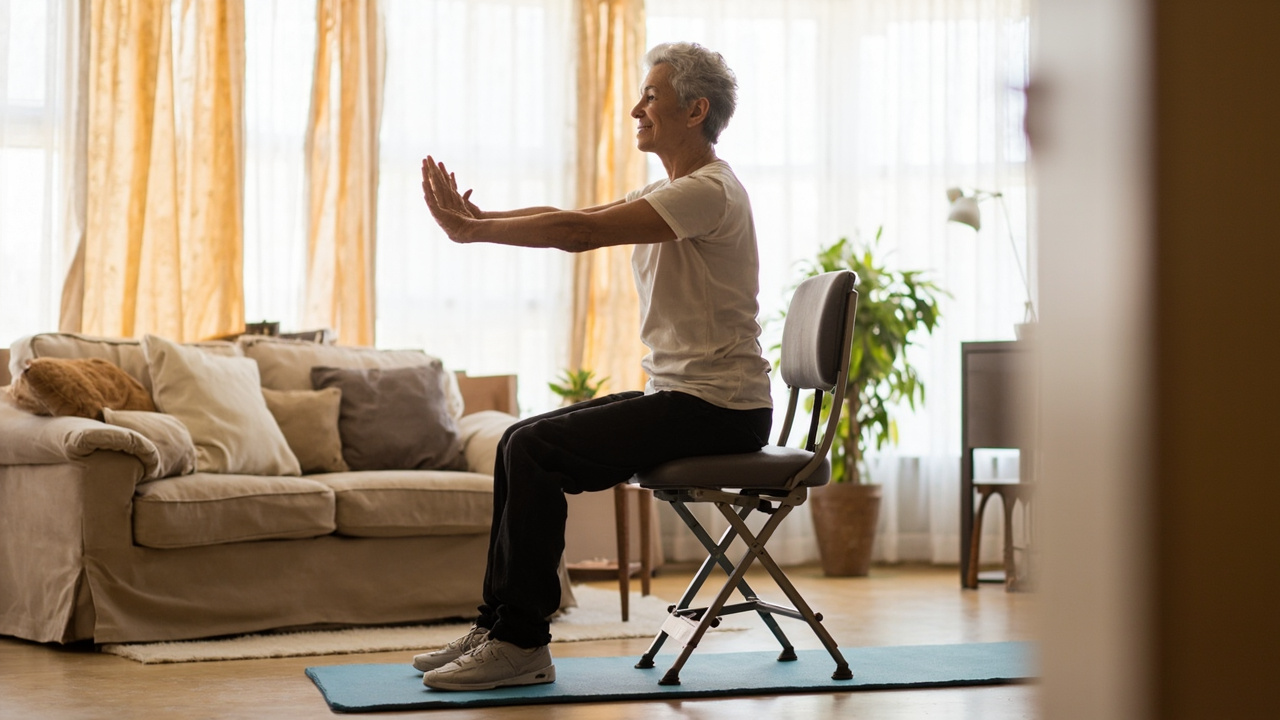
Workout 2: Chair Exercises and Seated Strength
Chair exercises provide excellent starting points for those with mobility limitations or balance concerns. These exercises can be performed safely at home without any equipment beyond a sturdy chair.
Seated Marching: Sit tall in your chair and lift your knees alternately, as if marching in place. Perform 20-30 repetitions to build hip flexor strength and core engagement.
Chair Squats: Stand behind the chair, holding on to the back for support. Lower yourself halfway toward sitting, then stand back up. This exercise strengthens your quadriceps, glutes, and improves balance.
Seated Arm Raises: Raise both arms overhead while holding light household items like water bottles. This works your shoulders and upper back effectively.
Seated Leg Extensions: Straighten one leg at a time in front of you, holding for a moment, then lower. This targets quadriceps without standing strain.
Perform 2-3 sets of 10-15 repetitions for each exercise. These movements can be done while watching television or during breaks from sedentary activities.
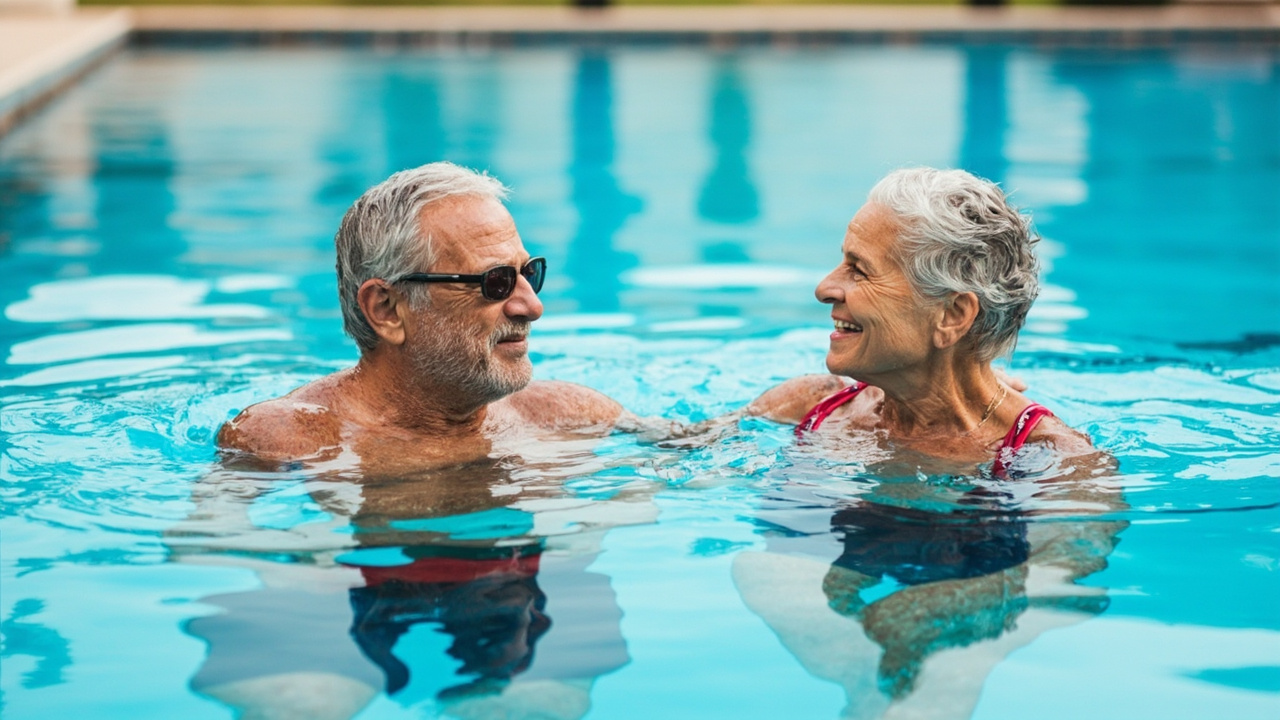
Workout 3: Water Aerobics and Swimming
Water provides natural resistance and buoyancy, making it ideal for senior fitness. Water aerobics reduces joint stress by up to 80% while still offering meaningful resistance for strength building.
The cushioning effect of water allows exercises that might be impossible on land, including jumping movements and deep stretching. Many community centers and swimming pools in India now offer senior-specific water aerobics classes with trained instructors.
Even simple pool walking in waist-deep water provides excellent cardio and strength benefits. Swimming offers full-body conditioning with minimal joint impact, making it perfect for those with arthritis, joint replacements, or chronic pain.
Research published in the Journal of Aging and Physical Activity found that water-based exercise significantly improves cardiovascular health, muscle strength, and flexibility in older adults. If you have access to a pool, make water exercises a regular part of your routine.
Workout 4: Light Dumbbell Strength Training
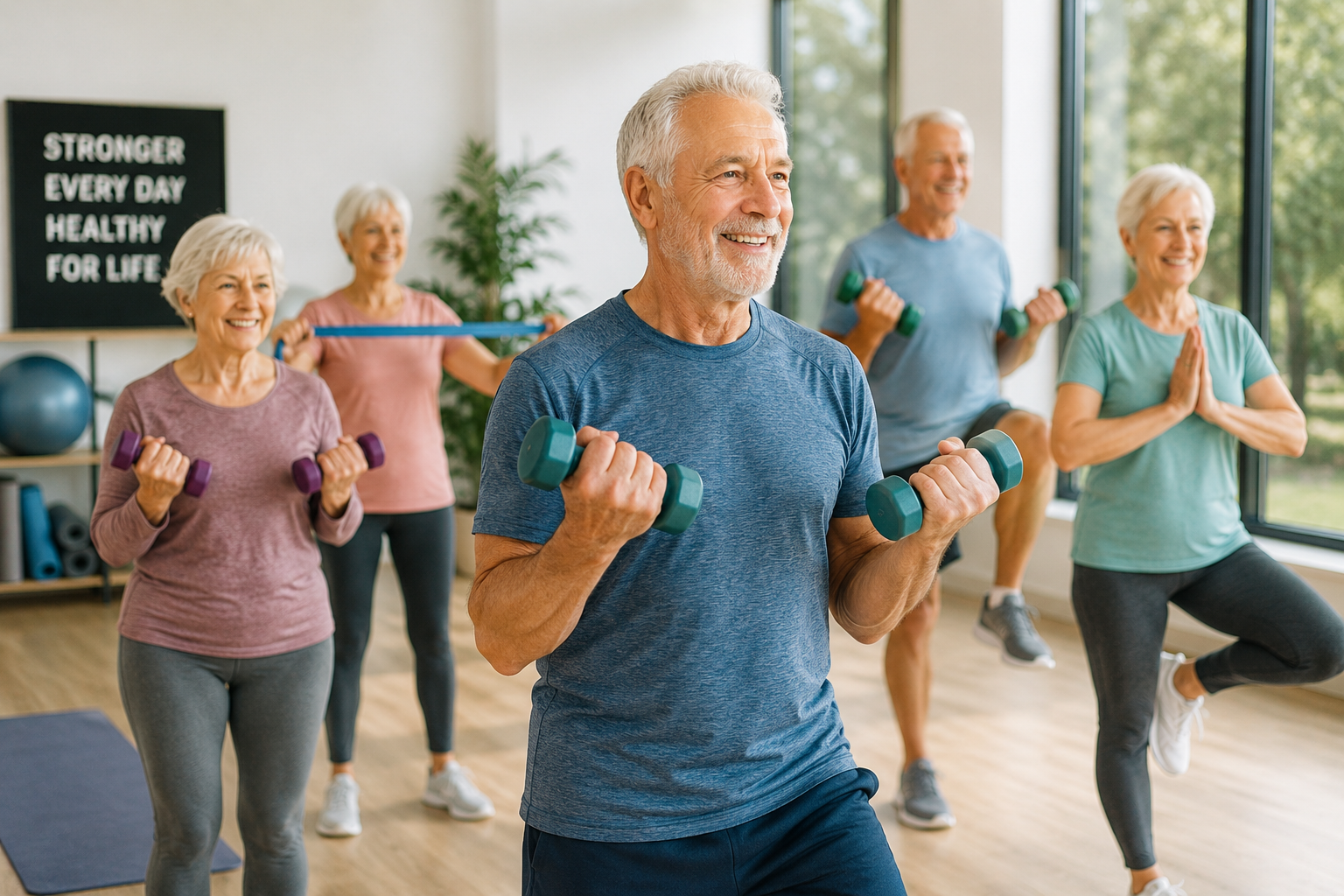
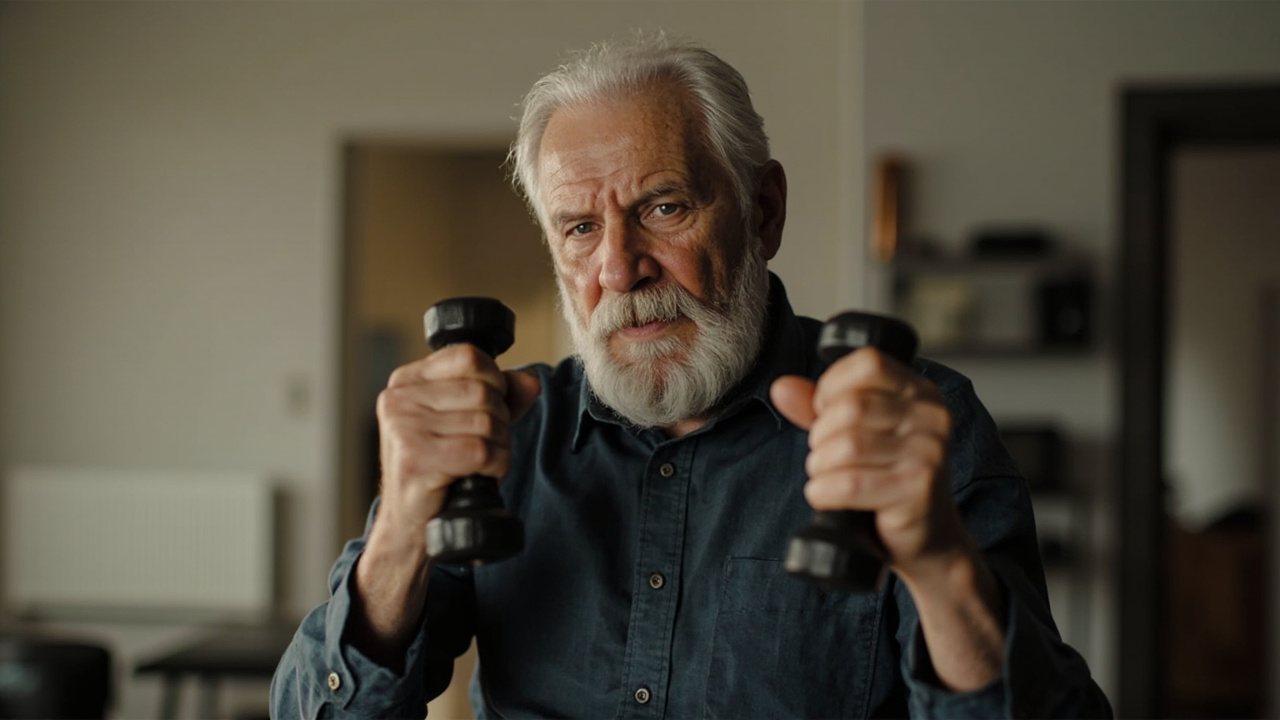
Strength training becomes critical after 50 to combat muscle loss and maintain functional independence. Start with very light weights—just 1-3 kg—and focus on perfect form before increasing resistance.
Wall Push-Ups: Stand arm-length from a wall, place your hands on the wall, and perform push-ups. This builds upper body strength safely.
Goblet Squats: Hold a light weight or household object at chest level and perform squats, maintaining proper form throughout.
Bicep Curls: Using small weights, curl your forearms upward to maintain arm strength for daily activities like carrying groceries or lifting grandchildren.
Shoulder Press: Press light weights overhead to support shoulder health and upper body function.
Aim for 2-3 sessions weekly with at least one day of rest between sessions. Indian households often have access to commonly used items like 1-liter water bottles that can serve as initial weights.
Workout 5: Balance and Flexibility Exercises
Balance training prevents dangerous falls that can severely impact senior independence. Falls are a leading cause of injury and loss of mobility in older adults, making balance work essential.
Single-Leg Stands: Hold onto a wall for support, then lift one foot off the ground. Gradually reduce the support as your balance improves over weeks.
Heel-to-Toe Walking: Walk along a straight line, placing your heel directly in front of your opposite toe with each step. This challenges proprioception and coordination.
Tai Chi and Yoga: These ancient practices improve balance, flexibility, and body awareness. Simple poses like Tree Pose and Warrior III can be modified for any fitness level.
Daily stretching focusing on major muscle groups maintains flexibility for everyday activities like reaching, bending, and turning. Include 10-15 minutes of balance and flexibility work in every workout session.

Weekly Workout Schedule
| Day | Morning Activity | Afternoon Activity |
|---|---|---|
| Monday | 30-minute brisk walk | Chair exercises + Stretching |
| Tuesday | Water aerobics or swimming | Light balance practice |
| Wednesday | Light dumbbell training | Heel-to-toe walking |
| Thursday | 30-minute walk | Chair exercises + Yoga |
| Friday | Water aerobics or swimming | Single-leg stands practice |
| Saturday | Light dumbbell training | Tai Chi or gentle yoga |
| Sunday | Active rest - gentle stretching | Leisurely walk |
Proper nutrition supports your fitness journey. After 50, your protein requirements increase to approximately 1.0-1.3 grams per kilogram of body weight to maintain muscle mass and support recovery.
Protein-Rich Indian Foods for Seniors:
| Food | Protein per 100g | Best Used In |
|---|---|---|
| Dal (lentils) | 18-25g | Sambar, dal tadka, khichdi |
| Paneer | 18g | Parantha, curry, salad |
| Chickpeas (chana) | 15g | Chole, salad, roasted snacks |
| Greek yogurt (dahi) | 10g | Lassi, raita, smoothies |
| Nuts (almonds, walnuts) | 20g | Morning snacks, milk |
| Soya chunks | 52g | Curry, stir-fry |

Common Mistakes to Avoid
- Starting too intense: Begin slowly and progress gradually. Pain is not gain.
- Skipping warm-up: Always prepare your muscles and joints with 5-10 minutes of gentle movement.
- Holding breath during exercises: Remember to breathe steadily throughout all movements.
- Ignoring pain: Stop immediately if you experience chest pain, severe shortness of breath, dizziness, or joint pain beyond normal muscle fatigue.
- Skipping rest days: Allow your body time to recover and adapt.
- Exercising alone without informing anyone: Let family members know your exercise schedule.
Progress Tracking Tips
Keep a simple exercise journal noting:
- Date and time of workout
- Exercises performed and duration
- How you felt before and after
- Any discomfort or pain experienced
This helps you track improvement over time and identify which exercises work best for your body. Many Indian seniors find it helpful to mark their calendar after completing each workout session as a visual motivator.
Safety Guidelines
Consult your physician before beginning any new exercise program, especially with pre-existing conditions like heart disease, diabetes, or joint problems. Wear proper footwear with good arch support and non-slip soles. Exercise with a partner when possible for safety and motivation.
Remember that consistency matters more than intensity. Regular moderate exercise outperforms occasional intense workouts every time. Even 10-minute sessions add up throughout the day and provide meaningful health benefits.
Getting Started Today
Beginning an exercise routine after 50 requires patience and consistency. Start with exercises that match your current fitness level and progress gradually. Join senior fitness classes in your area to enjoy social support and professional guidance.
The journey of maintaining and improving your fitness is a gift you give to yourself and your loved ones. Every step you take toward being stronger, more flexible, and more balanced is a step toward a vibrant, independent future.
Ready to Start Your Fitness Journey?
If you have questions about appropriate exercises for your specific health conditions or fitness goals, get personalized guidance from Suman directly on WhatsApp. Free consultation is available to help you begin your journey toward better health and vitality.
Start today. Your future self will thank you.