

Intermittent Fasting for Weight Loss: Does It Really Work?
Intermittent Fasting (IF) has become one of the most talked-about approaches for weight loss in recent years. But does it actually work, or is it just another diet trend? In this comprehensive guide, we will explore the science behind intermittent fasting, its benefits, and how you can incorporate it into your lifestyle—even with a busy Indian household routine.
What Is Intermittent Fasting?
Intermittent fasting is not a diet in the traditional sense—it is an eating pattern that cycles between periods of eating and fasting. Unlike most diets that tell you what to eat, IF focuses on when you eat. The idea is simple: by narrowing your eating window, you naturally consume fewer calories while allowing your body to tap into fat stores for energy.
The most popular method is the 16:8 protocol, where you fast for 16 hours and eat within an 8-hour window. For many, this means skipping breakfast and eating from 12 PM to 8 PM. Another beginner-friendly option is the 14:10 method, which offers a gentler introduction with a 14-hour fast and 10-hour eating window.
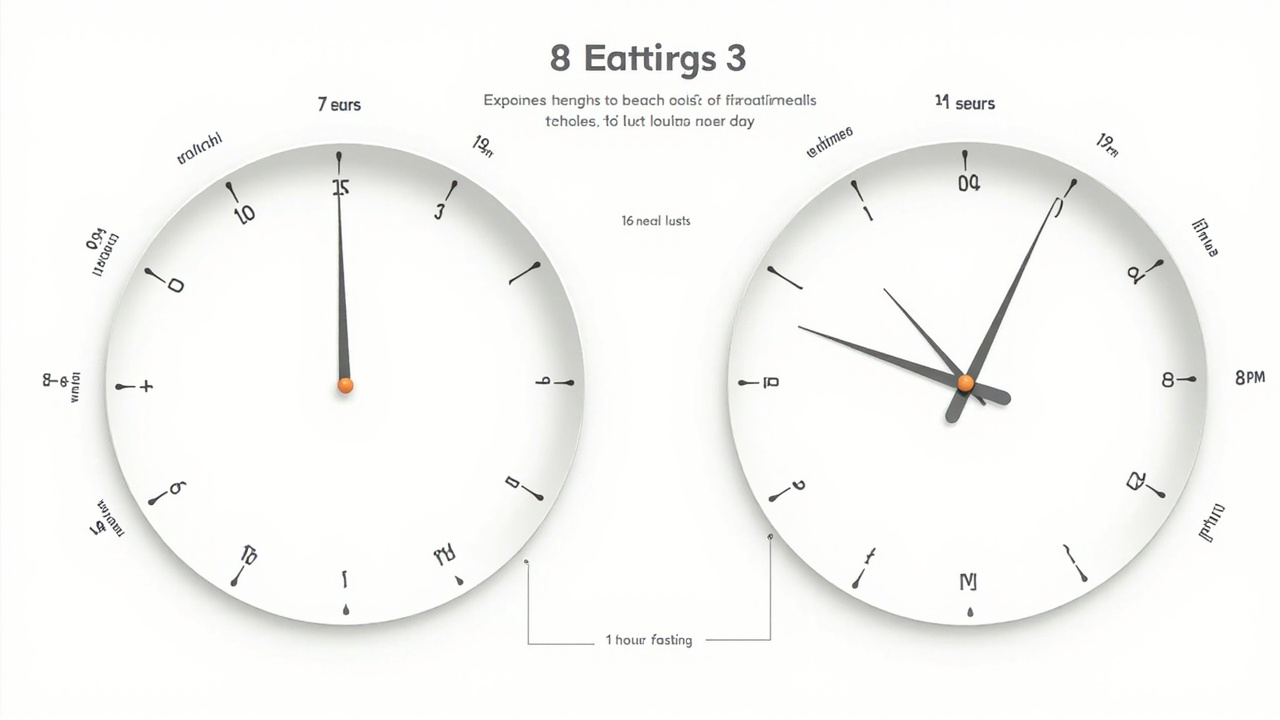
How Does Intermittent Fasting Work for Weight Loss?
During the fasting period, your body exhausts its glucose (sugar) stores and begins breaking down fat for energy. This metabolic switch, often called metabolic flexibility, is a natural process that our ancestors experienced regularly when food was not constantly available.
When you eat throughout the day—breakfast at 7 AM, lunch at 12 PM, snacks at 3 PM, dinner at 8 PM—your body is constantly processing food and relying on glucose for fuel. The fasting window forces your body to use stored fat, which can lead to weight loss over time.
Additionally, intermittent fasting may help:
- Reduce calorie intake by naturally limiting the number of meals and snacks
- Increase human growth hormone (HGH) levels, which aids fat burning and muscle preservation
- Improve insulin sensitivity, making it easier for your body to use stored fat
- Promote cellular repair through a process called autophagy, where cells remove damaged components
Benefits Beyond Weight Loss
While weight loss is the primary reason most people try intermittent fasting, research suggests several additional benefits:
1. Simplified Meal Planning
With a shorter eating window, you prepare fewer meals and snacks. This can save time, money, and mental energy spent on meal decisions.
2. Improved Mental Clarity
Many people report feeling more focused and alert during fasting periods. This may be due to the brain using ketones (produced from fat) for energy more efficiently than glucose.
3. Better Digestive Health
Giving your digestive system a break between meals can reduce bloating and improve gut health.
4. Reduced Inflammation
Some studies suggest that intermittent fasting may lower inflammatory markers in the body, which is linked to better overall health.

What to Eat During Your Eating Window
This is where many people go wrong—they assume any food fits within the eating window. For sustainable weight loss and optimal health, what you eat matters just as much as when you eat.
Protein-Rich Indian Foods for Your Meals
During your 8-hour eating window, prioritize protein sources that keep you full and support muscle maintenance:
- Dal (Lentils): A staple in every Indian household, dal provides steady protein and fiber. Masoor dal, toor dal, and chana dal are excellent choices.
- Paneer: This versatile cottage cheese is perfect for sabzis, parathas, and stir-fries.
- Chickpeas (Chana): Use them in chole, salads, or as a roasted snack.
- Greek Yogurt (Dahi): Higher in protein than regular yogurt, perfect for breakfast or smoothies.
- Nuts and Seeds: Almonds, walnuts, flaxseeds, and chia seeds make great snacks.
- Milk and Peanut Butter: Add to smoothies or enjoy as protein sources.

A Sample Indian Eating Window (12 PM – 8 PM)
Lunch (12:30 PM)
- 2 rotis with palak paneer or dal tadka
- Brown rice or quinoa
- Salad with cucumber and tomato
- A handful of mixed nuts (almonds, walnuts)
- Greek yogurt with chia seeds
- Grilled paneer tikka or chickpea curry
- Vegetable sabzi
- Small portion of brown rice or millet
Common Intermittent Fasting Mistakes to Avoid
1. Eating Too Much During Your Eating Window
Just because you are limiting your eating hours does not mean you can binge. Overeating during your eating window will negate the calorie deficit needed for weight loss.
2. Not Drinking Enough Water
Dehydration is common during fasting periods. Drink plenty of water, plain chai (without sugar), and infused water with cucumber or mint.
3. Choosing Processed Foods
Fried snacks, sugary drinks, and processed foods will not provide the nutrients your body needs and can stall weight loss.
4. Starting Too Aggressively
Jumping straight into a 24-hour fast is a recipe for failure. Start with a gentler method like 12:12 and gradually extend your fasting window.
5. Ignoring Signs Your Body Needs Fuel
If you feel dizzy, extremely fatigued, or unable to concentrate, you may need to adjust your fasting window or consult a healthcare provider.
Who Should Avoid Intermittent Fasting?
Intermittent fasting is not suitable for everyone. Avoid IF or consult your doctor first if you:
- Are pregnant or breastfeeding
- Have a history of eating disorders
- Have diabetes or blood sugar regulation issues
- Are taking medications that require food intake
- Are underweight or have nutritional deficiencies
How to Get Started with Intermittent Fasting
Week 1-2: Ease Into It
Begin with a 12:12 method (12 hours fasting, 12 hours eating). Move your dinner earlier by 30 minutes every few days until you are eating within an 8-10 hour window.

Week 3-4: Extend Your Fast
Try the 14:10 method or 16:8 method. Most people find 12 PM to 8 PM works well with Indian meal times, though you can adjust based on your schedule.
Tips for Success
- Stay busy during fasting hours—idle time can trigger hunger pangs
- Break your fast with balanced meals containing protein, healthy fats, and fiber
- Be patient—it takes 2-4 weeks for your body to adapt to a new eating pattern
- Listen to your body and adjust as needed
Conclusion: Does Intermittent Fasting Really Work?
Yes—intermittent fasting can be an effective tool for weight loss when done correctly. The key is finding a sustainable fasting window that fits your lifestyle and choosing nutrient-dense foods during your eating hours.
Remember, there is no one-size-fits-all approach. Some people thrive on 16:8, while others prefer the gentler 14:10 method. The best fasting schedule is the one you can maintain long-term.
If you are ready to take control of your health and explore how intermittent fasting can work for you, I am here to help. As a certified personal trainer, I can create a personalized plan that combines nutrition and fitness strategies tailored to your goals.
Ready to start your fitness journey?
📱 WhatsApp me for a free consultation
Have you tried intermittent fasting? Share your experience in the comments below!