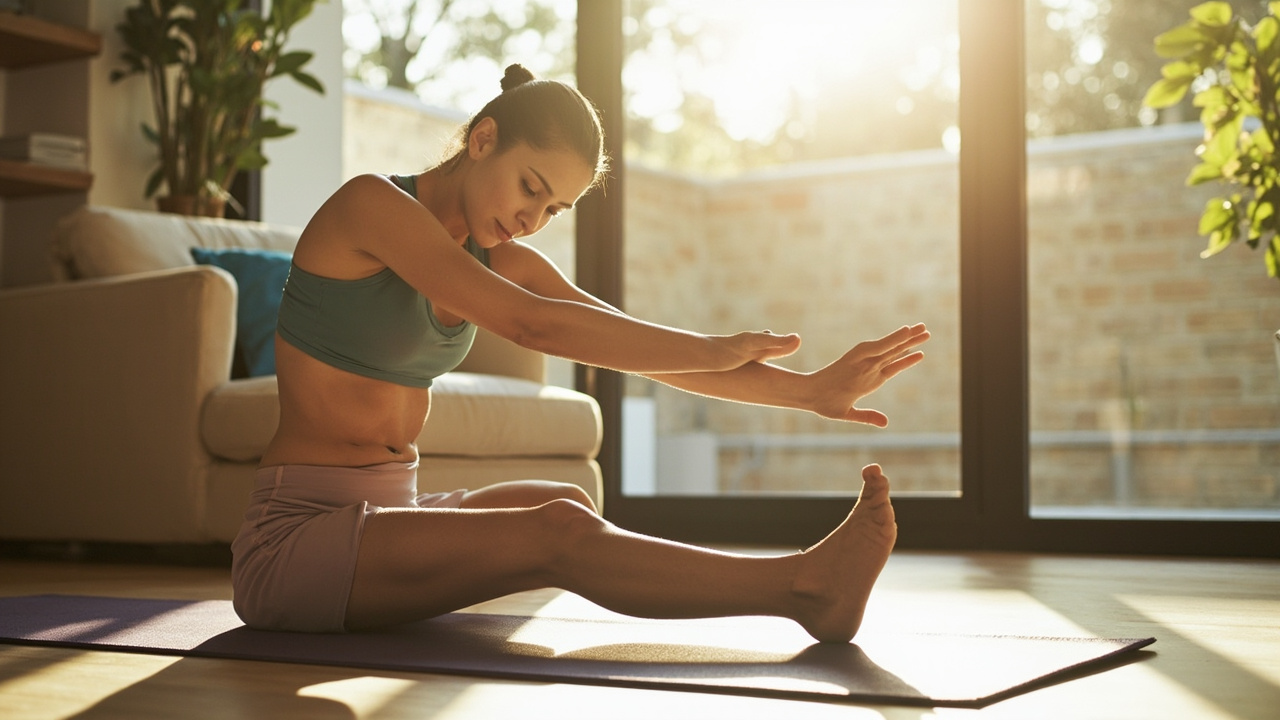
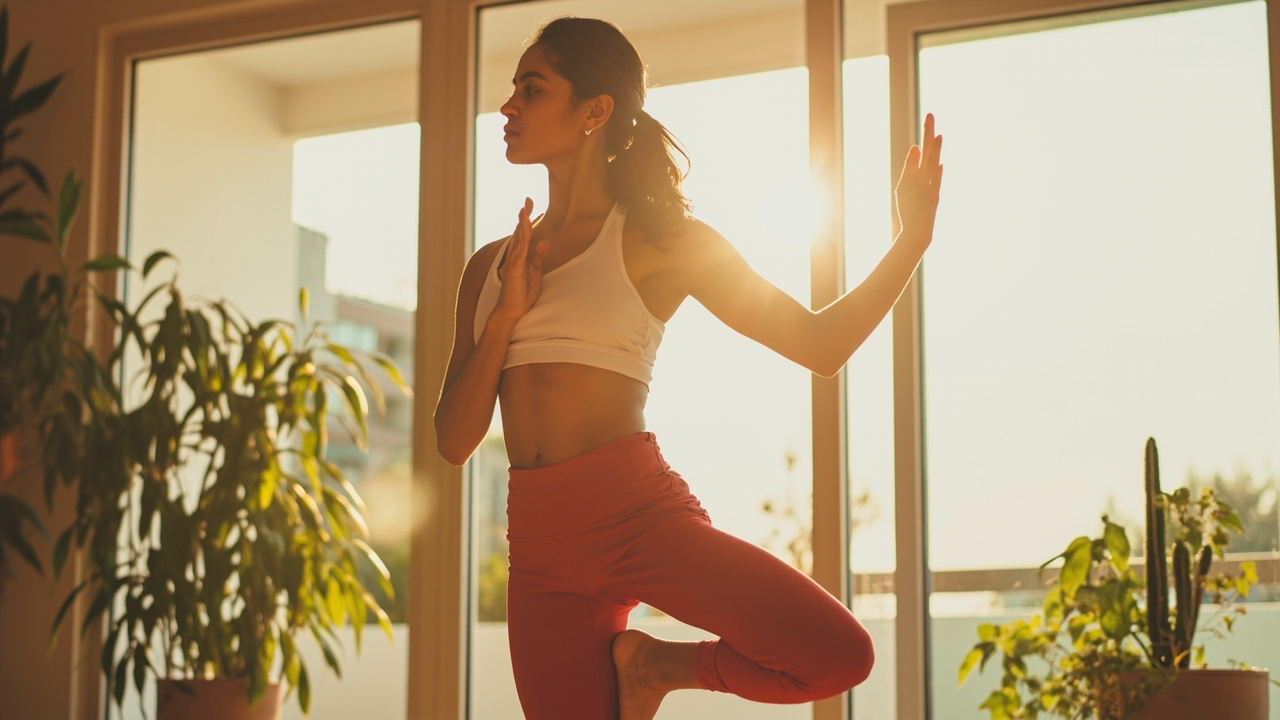
Yoga offers a complete fitness approach developing flexibility, strength, balance, and mental clarity through practiced postures and breathing techniques. This ancient Indian practice adapts remarkably well to modern fitness needs, providing accessible entry points for beginners while offering lifelong progression for dedicated practitioners. This guide covers everything you need to start yoga practice confidently, whether your goal is improved flexibility, strength building, stress reduction, or enhanced athletic performance.
Understanding Yoga
Yoga originated in India thousands of years ago as a comprehensive system for physical, mental, and spiritual development. The word yoga means union - connecting body, breath, and awareness into integrated functioning. Modern yoga has evolved from traditional roots while retaining essential elements of breath coordination, mindful movement, and progressive development. Yoga distinguishes itself from conventional exercise through attention to breath, emphasis on present-moment awareness, and respect for individual limitations rather than external comparison.
Benefits of Regular Yoga P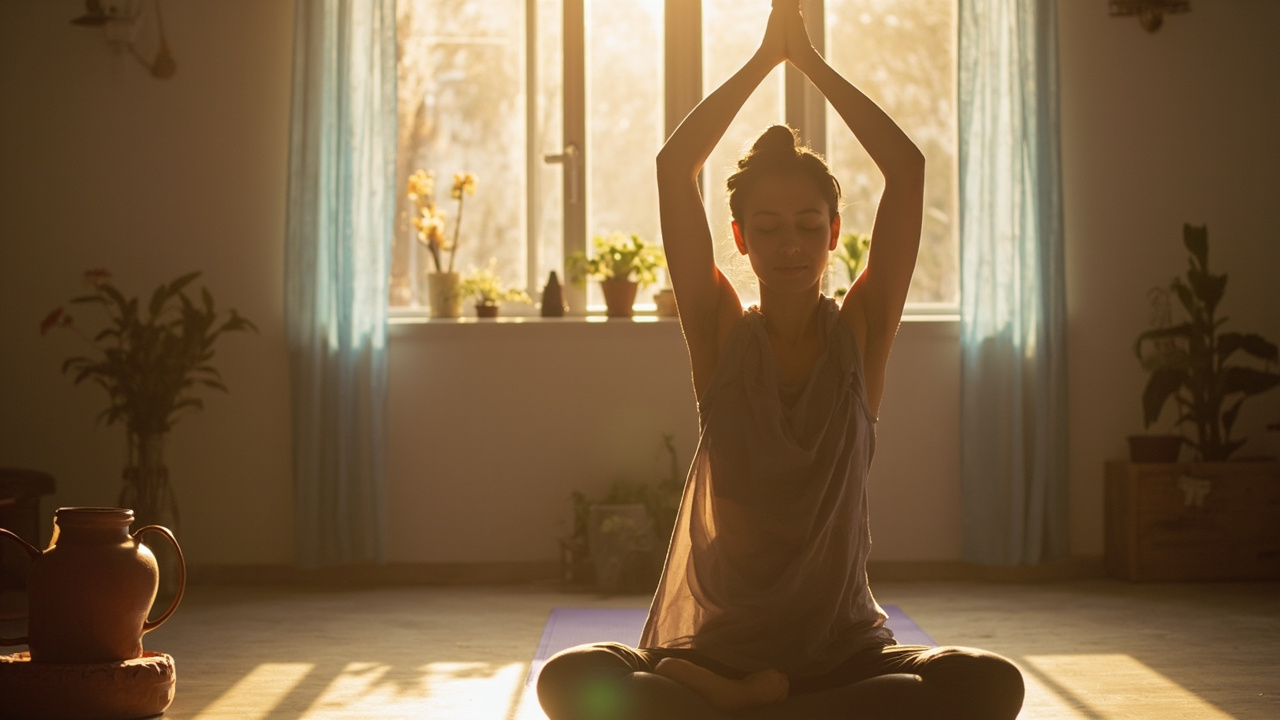 Practice
Physical Benefits:
- Increased flexibility and joint range of motion
- Improved muscular strength and endurance
- Enhanced balance and proprioception
- Better posture and body awareness
- Reduced chronic pain, particularly back and neck
- Improved breathing capacity
- Stress and anxiety reduction
- Enhanced focus and concentration
- Better sleep quality
- Emotional regulation improvement
- Mindful awareness development
- Overall sense of calm and wellbeing
Essential Yoga Poses for Beginners
Tadasana (Mountain Pose)
This foundational pose teaches proper standing alignment and body awareness. Stand with feet together or hip-width apart, arms at sides. Distribute weight evenly across both feet. Engage thighs, lift kneecaps, lengthen spine. Roll shoulders back and down, arms relaxed. Hold for 30 seconds to 1 minute while breathing naturally. Mountain pose improves posture and serves as starting point for other standing poses.
Virabhadrasana I (Warrior I)
Warrior poses build leg strength while opening hips and chest. From mountain pose, step one foot back 3-4 feet. Turn back foot 45 degrees. Bend front knee over ankle until thigh parallels floor. Raise arms overhead, palms facing or touching. Square hips forward while lifting chest. Hold 30 seconds, repeat other side. Warrior I develops focus, balance, and lower body strength.
Downward-Facing Dog (Adho Mukha Svanasana)
Perhaps the most recognized yoga pose, downward dog stretches the entire posterior chain while building upper body strength. Start on hands and knees. Tuck toes, lift hips up and back. Press hands firmly into mat, arms straight. Let head hang naturally between upper arms. Keep knees slightly bent if hamstrings are tight. Pedal feet to stretch calves. Hold 1-3 minutes. This pose strengthens arms, stretches legs, and calms the mind.
Balasana (Childs Pose)
Childs pose provides rest and restoration while gently stretching hips, thighs, and ankles. Kneel on mat, big toes touching, knees hip-width or wider. Sit back on heels, fold forward over thighs. Extend arms forward or rest alongside body. Rest forehead on mat. Breathe deeply into back body. Hold 1-5 minutes. Childs pose offers calm retreat during challenging practice.
Savasana (Corpse Pose)
Savasana provides complete relaxation integrating benefits of active practice. Lie flat on back, legs slightly apart, arms at sides palms up. Close eyes, release all muscular effort. Breathe naturally while consciously relaxing each body part. Stay 5-15 minutes. Though appearing simple, savasana provides profound rest that makes practice sustainable.
Yoga Breathing (Pranayama) Basics
Pranayama practices harness breath to influence mental and physical states. Nadi Shodhana (Alternate Nostril Breathing) balances nervous system activity. Sit comfortably, right hand in Vishnu mudra (index and middle fingers to palm). Close right nostril, inhale through left. Close left, exhale through right. Inhale right, close, exhale left. Continue alternating for 5-10 minutes. Kapalabhati (Skull-Shining Breath) energizes and clears mental fog through forceful exhalations and passive inhalations.
Creating Your Practice
Practice Frequency
Beginners benefit from 15-20 minutes, 3-4 times weekly. This frequency allows adaptation without overwhelming schedule. As practice develops, extend duration and frequency. Daily practice provides maximum benefit but even 3 weekly sessions produce significant improvement. Consistency matters more than duration - short daily practice outperforms long sporadic sessions.
Best Time for Practice
Morning practice energizes throughout the day and establishes mindful foundation. Evening practice unwinds accumulated tension and prepares for restful sleep. Some prefer lunch practice for midday energy boost. Experiment to find personal optimal time, but maintain consistency once established. Avoid practicing extremely heavy meals within 2 hours of practice.
Setting Up Your Space
Yoga requires minimal equipment - just enough floor space to lie down. Firm, flat surface supports all poses. Use yoga mat or folded blanket for cushioning. Wear comfortable clothing allowing unrestricted movement. Remove shoes and socks for barefoot practice. Quiet environment with minimal distractions supports mental focus.
Progression Approach
Yoga develops through consistent practice over months and years. Accept beginner limitations without frustration - everyone begins somewhere. Progress comes through regular practice, not maximum effort in single sessions. Respect current limitations while gently challenging boundaries. Compare yourself only to your previous self, never others in class. Patience with slow progress yields lasting results impossible through aggressive training.
Common Beginner Mistakes
Holding Breath: Coordinate breath with movement - exhale during exertion, inhale during extension. Many beginners unconsciously hold breath during challenging poses. Conscious breathing calms nervous system and extends capacity.
Pushing Too Hard: Yoga requires steady, sustainable effort, not maximum force. Mild intensity sustained over time produces lasting flexibility. Forcing deeper poses causes injury and sets back progress.
Comparing to Others: Yoga practice is intensely personal. Others flexibility, strength, or grace has no relevance to your journey. Focus entirely on your own breath and body.
Skipping Warm-Up: Begin with gentler movements before deeper stretching. Cold muscles stretch less effectively and more dangerously. Gentle walking or sun salutations prepare body for practice.
Rushing Savasana: Skipping final relaxation cheat yourself of major practice benefit. Savasana integrates all gains from active practice. Even 3-5 minutes provides value.
Yoga and Strength Building
Yoga develops functional strength through holding bodyweight positions against gravity. Traditional poses like plank, chaturanga, and warrior sequences build impressive core and upper body strength. Handstands and arm balances develop significant arm and shoulder strength. Yoga builds strength endurance through sustained holds rather than heavy loads. Athletes using yoga recover faster and move more efficiently.
Yoga for Flexibility
Flexibility development through yoga requires consistent, patient practice. Hold stretches 1-3 minutes for connective tissue change. Breathe into tension rather than fighting resistance. Backbends, forward folds, and hip openers address common areas of tightness. Regular practice gradually increases range of motion throughout the body.
Yoga for Stress Relief
Yoga activates parasympathetic nervous system through specific practices. Long exhalations stimulate vagus nerve, promoting relaxation response. Meditation and mindful movement displace anxious thought patterns. Savasana and restorative poses provide deep nervous system reset. Regular practice builds resilience to daily stressors.
Integrating Yoga with Other Exercise
Yoga complements rather than conflicts with other training. Yoga provides active recovery between intense training days. Flexibility work supports performance in other activities. Mindful breathing improves training focus. Yoga addresses muscle imbalances that lead to injury. Many professional athletes incorporate regular yoga practice for these benefits.
Conclusion
Yoga offers accessible entry point for complete beginners while providing depth for lifelong practice. Start with simple poses practiced consistently 3-4 times weekly. Focus on breath coordination and present-moment awareness rather than flexibility achievements. Progress gradually while respecting current limitations. Yoga develops flexibility, strength, balance, and mental clarity through patient practice. Your yoga journey begins with a single breath - honor that beginning and continue forward with curiosity rather than expectation. The physical benefits follow naturally from consistent, mindful practice.