

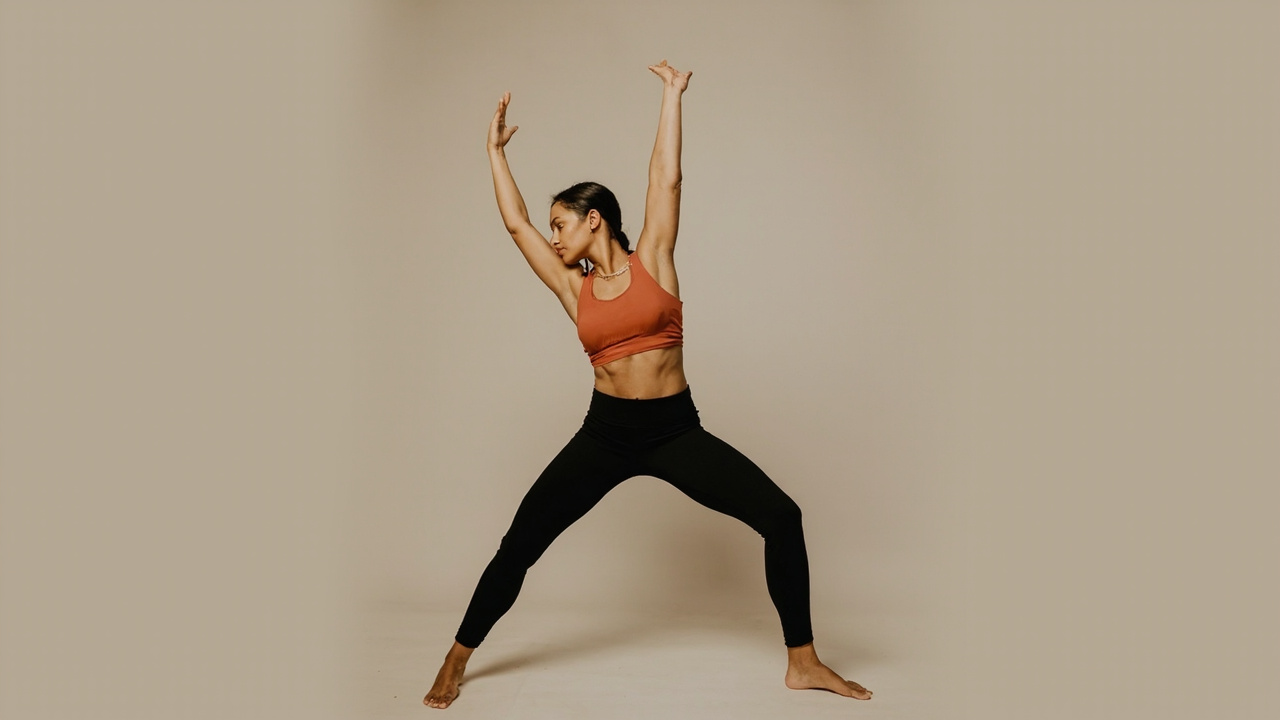
 Mobility forms the foundation of all human movement. Without adequate joint mobility, even the strongest muscles cannot perform basic activities like bending, reaching, or walking comfortably. Poor mobility restricts exercise options, increases injury risk, and contributes to chronic pain. This guide explores mobility exercises that improve how your body moves, enhancing both daily function and athletic performance. Whether you sit at a desk all day or train regularly, mobility work benefits everyone.
What is Mobility and Why Does It Matter
Mobility differs from flexibility - flexibility refers to muscle lengthening capacity, while mobility encompasses the ability to move joints through their full range of motion with control. Good mobility requires adequate flexibility, strength throughout the range, and proper neuromuscular control. Restricted mobility forces compensation patterns that create muscle imbalances and eventual pain. Improving mobility reduces pain, enhances exercise performance, prevents injuries, and makes daily activities feel easier. Daily mobility work maintains joint health as you age, preserving independence and quality of life.
The Hip Flexor Mobility Routine
Tight hip flexors represent one of the most common mobility restrictions, especially for those who sit frequently. Kneeling Hip Flexor Stretch: Kneel on one knee with the other foot forward. Push hips forward gently while keeping torso upright. Hold for 30-60 seconds and switch sides. 90/90 Hip Stretch: Sit with both legs bent at 90 degrees, one in front and one to the side. Lean forward over your front leg, holding for 30 seconds. Hip Circles: Stand on one leg and draw large circles with the other leg, progressing to larger circles. Perform 10 circles each direction on each leg.
Shoulder Mobility Exercises
Shoulder stiffness limits pressing, pulling, and reaching movements. Wall Slides: Stand with back against wall, arms in goalpost position. Slide arms up and down while maintaining contact. Shoulder Pass-Throughs: Hold a broomstick or resistance band with wide grip. Rotate arms overhead and behind body in a controlled motion. Pendulum Swings: Lean forward supporting yourself on a table. Let affected arm hang and draw circles, progressing from small to large circles. Cross-Body Shoulder Stretch: Pull one arm across your chest using the opposite hand. Hold 30 seconds per side.
Thoracic Spine Mobility
The mid-back (thoracic spine) should rotate and extend easily, but prolonged sitting flattens this natural curve. Cat-Cow Stretch: On hands and knees, alternate between arching and rounding your back. Thread the Needle: From all fours, pass one arm under your body, rotating through the thoracic spine. Foam Roller Extension: Lie over a foam roller placed horizontally under your mid-back. Support head with hands and gently extend over the roller. Seated Rotation: Sit tall in a chair, rotate torso to one side, hold, and return. Perform 10 rotations each direction.
Ankle Mobility Drills
Ankle mobility affects squat depth, walking comfort, and balance. Wall Ankle Stretch: Face a wall with one foot forward and one back. Keep back heel down while leaning forward until you feel a stretch. Ankle Circles: Lift one foot and draw large circles with your toes. Heel Walks: Walk forward on your heels for 20-30 seconds to strengthen the shin muscles that control ankle movement. Toe Yoga: Practice lifting your big toe while keeping other toes down, then lift all toes - this improves intrinsic foot strength.
Wrist and Forearm Mobility
Modern life involves extensive typing and phone use, making wrist mobility essential. Wrist Circles: Extend arms forward and rotate wrists in large circles, 10 in each direction. Prayer Stretch: Press palms together in front of chest, lower hands toward belly while keeping palms pressed. Reverse Prayer: Press backs of hands together with fingers pointing down, then raise hands while keeping backs pressed. Finger Spreads: Spread fingers wide, hold briefly, then make a fist. Repeat 10 times to maintain hand mobility.
Daily Mobility Routine
Integrate mobility work into your daily schedule for cumulative benefits. Morning (5 minutes): Cat-cow, hip circles, and gentle neck rolls to wake up your body. Midday Break (5 minutes): Shoulder pass-throughs, wall slides, and ankle mobility while taking work breaks. Evening (10 minutes): Deeper stretching and any areas that feel particularly tight from daily activities. Post-Workout (5 minutes): Mobility work targeting muscles just used during exercise.
Mobility vs Stretching: Understanding the Difference
While related, mobility and stretching serve different purposes. Stretching lengthens muscles passively, while mobility training develops strength and control throughout movement. Effective fitness programs include both - mobility work for movement quality and flexibility work for muscle length. Static stretching works best after workouts when muscles are warm. Mobility exercises should be performed daily, often with movement rather than passive holding. Think of mobility as skill development that requires active participation rather than passive relaxation.
Progressive Mobility Training
Mobility improvements require consistent, progressive training like any other fitness attribute. Start with movements you can perform comfortably through partial range. Gradually increase range of motion over weeks as your body adapts. Add load through resistance bands or light weights to build strength in new ranges. Challenge proprioception by performing mobility exercises on unstable surfaces like balance pads. Progress to dynamic movements that combine mobility with strength and control. The goal is achieving pain-free, controlled movement through full range.
Common Mobility Restrictions and Solutions
Different activities create specific mobility restrictions. Desk Workers: Focus on hip flexors, thoracic spine, and shoulder flexion. Runners: Address hip flexors, hamstrings, and IT band mobility. Weightlifters: Work on shoulder external rotation, ankle dorsiflexion, and thoracic extension. Cyclists: Stretch hip flexors, lower back, and neck. Identify your primary activities and target corresponding restrictions. A mobility assessment with a qualified professional helps identify your specific limitations and priorities.
Breathing and Mobility
Proper breathing enhances mobility work significantly. Diaphragmatic breathing during stretches activates the parasympathetic nervous system, allowing muscles to release more fully. Exhale deeply as you move into a stretch, encouraging deeper relaxation. Hold relaxed breathing throughout mobility holds - never hold your breath. Coordinate breathing with movement during dynamic mobility exercises for enhanced mind-muscle connection. Practice 2-3 minutes of deep breathing before mobility work to prepare your nervous system.
Conclusion
Mobility exercises transform how your body feels and functions. Daily mobility work maintains joint health, prevents injuries, and enhances exercise performance. Start with 10-15 minutes daily, focusing on areas of greatest restriction. Progress gradually as mobility improves, adding load and complexity. Combine mobility training with regular exercise for comprehensive physical development. Your body is designed to move freely through full ranges - honor that design with consistent mobility practice. Improved mobility translates to easier daily activities, better workouts, and reduced pain that compounds over years of neglect.


