Introduction to PMOS (Formerly PCOS)
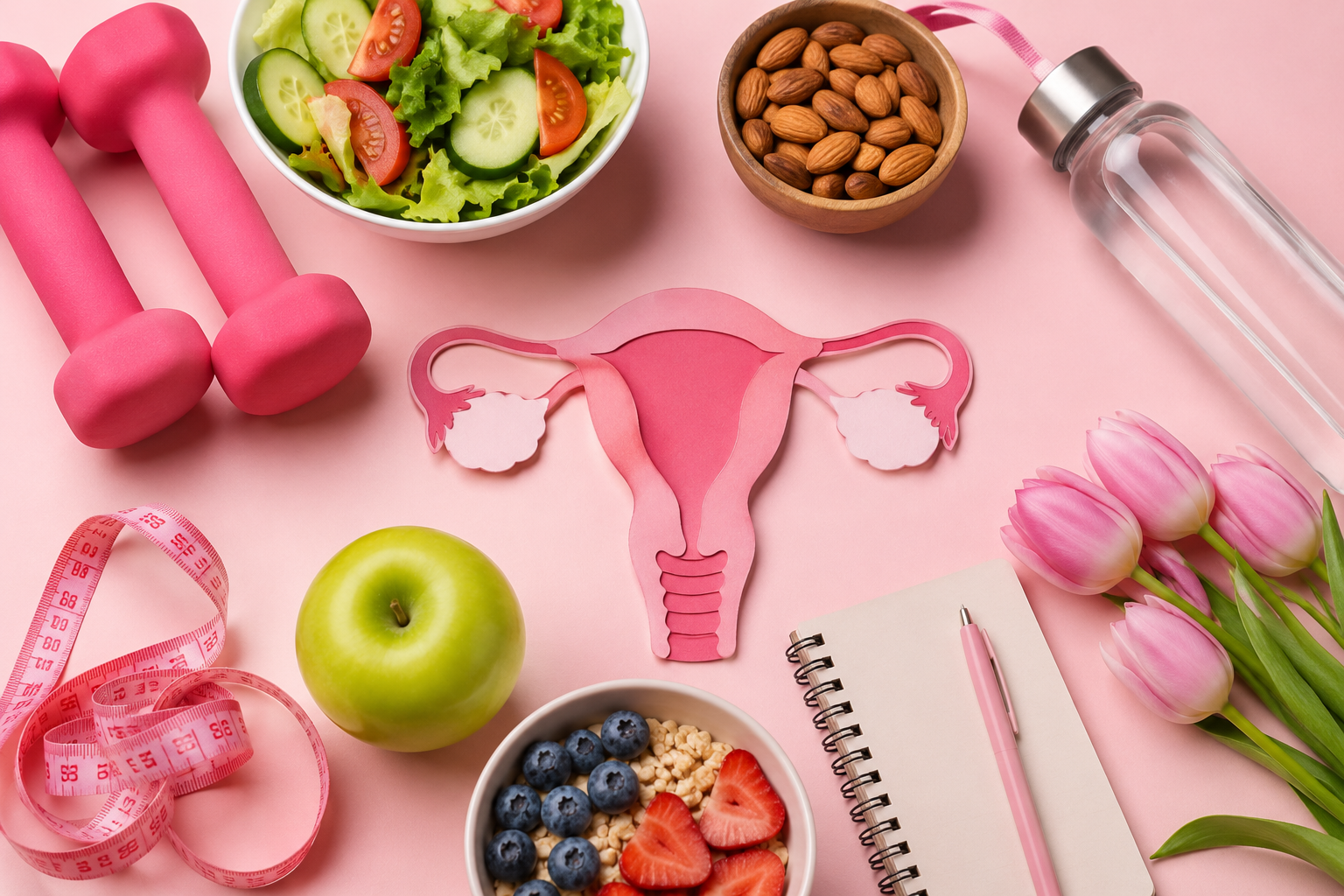
For decades, Polycystic Ovary Syndrome (PCOS) has been one of the most common endocrine disorders affecting women of reproductive age worldwide. However, as we move through 2026, the medical and fitness communities have officially transitioned to a more accurate term: Polycystic Metabolic Ovarian Syndrome (PMOS). This shift represents a monumental change in how we understand, diagnose, and manage this condition. At Train With Suman, based in Sodepur, Kolkata, we have helped hundreds of women navigate this journey, and this guide is designed to empower you with the latest science-backed strategies to take control of your health right from your home.
PMOS is not merely a reproductive issue; it is a complex metabolic and endocrine disorder. The classic symptoms—such as irregular menstrual cycles, stubborn weight gain around the abdomen, hormonal acne, and thinning hair—are actually outward expressions of deeper metabolic imbalances. By understanding that PMOS is fundamentally a metabolic challenge, we can move away from restrictive, frustrating protocols and focus on sustainable lifestyle changes, targeted home-based strength training, and nourishing Indian nutrition.
Why the Name Changed in 2026 & The Science of PMOS
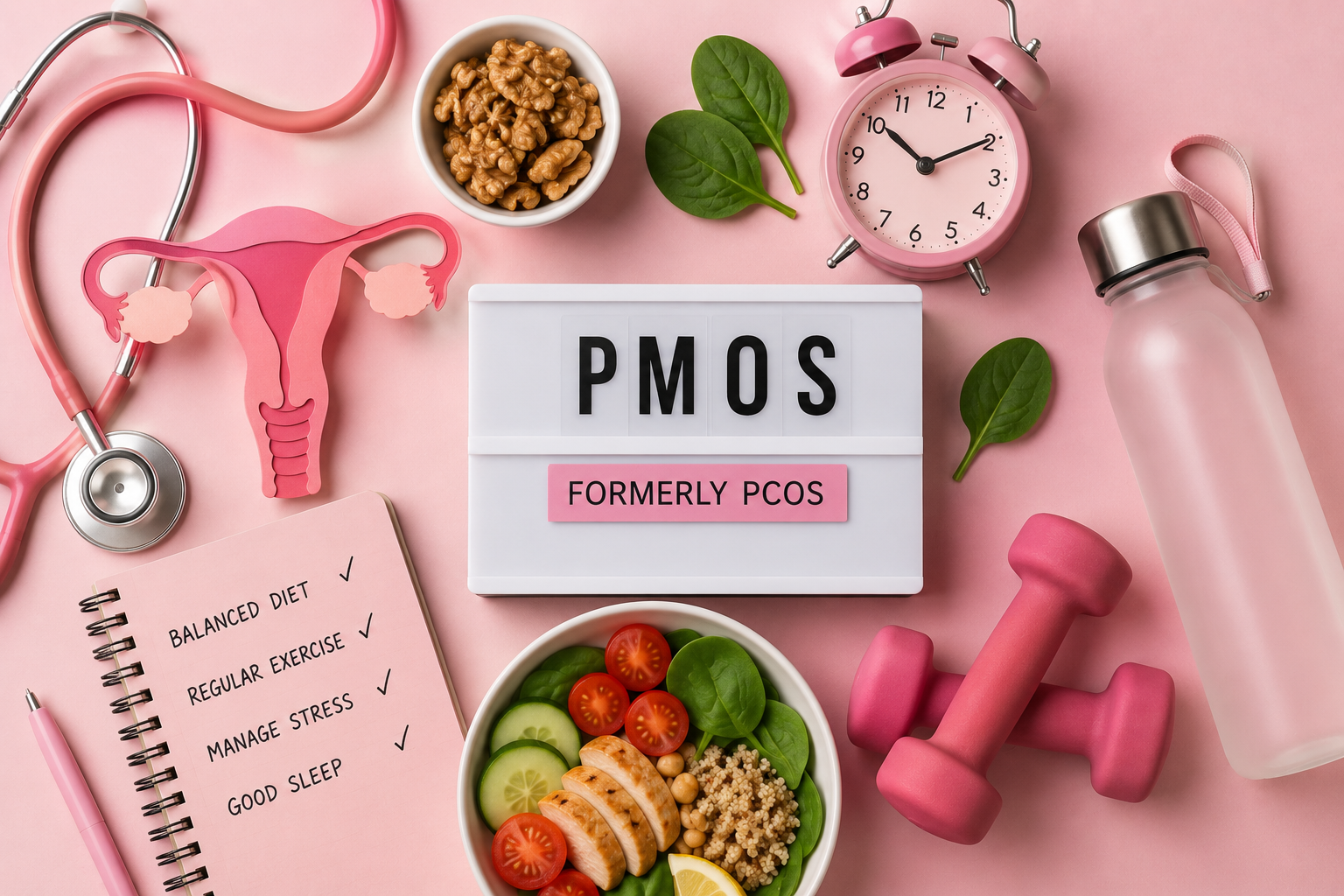
The transition from PCOS to PMOS was driven by a critical realization: the term 'polycystic ovaries' is highly misleading. Many women diagnosed with the condition do not actually have cysts on their ovaries (they are actually underdeveloped follicles), while many women with perfectly normal metabolic profiles do exhibit follicle patterns on ultrasounds.
The Root Causes of PMOS
At its core, PMOS is driven by three primary, interconnected factors:- Insulin Resistance: The body's cells become resistant to the action of insulin, leading the pancreas to produce excess insulin. High insulin levels signal the ovaries to produce excess androgens (male hormones like testosterone).
- Chronic Low-Grade Inflammation: Systemic inflammation impairs cellular function, worsens insulin resistance, and disrupts the delicate communication between the brain and the ovaries.
- Hormonal Dysregulation: High levels of luteinizing hormone (LH) and low levels of follicle-stimulating hormone (FSH) prevent regular ovulation, leading to irregular cycles.
Common Symptoms & Risk Factors
Symptoms can vary widely but typically include irregular or absent periods, excess facial and body hair (hirsutism), severe acne, male-pattern baldness, and rapid weight gain that is difficult to lose. Risk factors include genetic predisposition, sedentary lifestyles, high-stress environments, and poor sleep hygiene.How PMOS Is Diagnosed
In 2026, diagnosis has evolved beyond simple ultrasound scans. Doctors now utilize updated metabolic profiling, assessing fasting insulin levels, HbA1c, inflammatory markers like hs-CRP, and free androgen indexes alongside menstrual history to build a comprehensive picture of your metabolic health.Master Your Metabolism: The PMOS Home Strength Guide
When managing PMOS, the goal isn't to chase calorie burn through high-intensity cardio, which can spike cortisol and further aggravate insulin resistance. Instead, your primary objective is building lean muscle tissue. Think of muscle as your body’s metabolic sink—it acts like a sponge, soaking up glucose from your bloodstream and significantly enhancing your insulin sensitivity.
This minimal-equipment workout is specifically designed to stimulate hypertrophy, balance your hormones, and fire up your metabolism using nothing more than dumbbells, resistance bands, and your own body weight.
1. Dumbbell Goblet Squat
- Target Muscles: Quadriceps, Glutes, Core
- Description: Hold a single dumbbell vertically against your chest. Position your feet slightly wider than shoulder-width.
- Technique: Initiate the movement by pushing your hips back as if sitting into a chair. Keep your chest proud and ensure your knees track in line with your toes. Drive through your heels to return to a standing position.
- Sets & Reps: 3 sets of 10–12 reps
- Progression: Increase the load or slow your tempo, focusing on a 4-second eccentric (lowering) phase to maximize muscle time-under-tension.
2. Resistance Band Glute Bridge
- Target Muscles: Glutes, Hamstrings, Lower Back
- Description: Loop a resistance band just above your knees. Lie on your back with your knees bent and feet flat.
- Technique: Drive your hips toward the ceiling by forcefully squeezing your glutes, maintaining outward pressure against the band. Avoid over-arching your lower back at the peak of the movement. Hold for one second before lowering with control.
- Sets & Reps: 3 sets of 15 reps
- Progression: Add a 3-second isometric hold at the top or place a dumbbell across your hips for added resistance.
3. Dumbbell Floor Press
- Target Muscles: Chest, Shoulders, Triceps
- Description: Lie flat on your back with knees bent. Hold a dumbbell in each hand, resting your elbows on the floor at a 45-degree angle to your torso.
- Technique: Press the weights vertically toward the ceiling, contracting your pectoral muscles at the top. Lower the dumbbells slowly until your triceps gently make contact with the floor.
- Sets & Reps: 3 sets of 10–12 reps
- Progression: Increase the weight or incorporate a 2-second pause at the bottom of the movement to eliminate momentum.
4. Resistance Band Row
- Target Muscles: Upper Back, Lats, Biceps
- Description: Sit on the floor with legs extended, anchoring the band around your feet.
- Technique: Sit tall with a neutral spine. Pull your elbows back toward your hips, focusing on retracting your shoulder blades. Slowly release to the starting position to complete the rep.
- Sets & Reps: 3 sets of 12–15 reps
- Progression: Switch to a higher-tension resistance band or increase the starting tension by moving further away from the anchor point.
5. Dumbbell Romanian Deadlift (RDL)
- Target Muscles: Hamstrings, Glutes, Erector Spinae
- Description: Stand tall with a dumbbell in each hand, positioned in front of your thighs.
- Technique: Hinge at the hips, pushing them backward while maintaining a slight bend in your knees. Keep your back flat and the weights close to your shins as you lower them toward the floor. Drive through your glutes to return to a standing position.
- Sets & Reps: 3 sets of 10 reps
- Progression: Focus on a slow, controlled 3-second descent to deepen the stretch in your hamstrings, or increase the weight incrementally.
PMOS Home Workout Summary
| Exercise | Target Muscles | Sets x Reps | Rest Period | Equipment Needed |
|---|---|---|---|---|
| Dumbbell Goblet Squat | Quadriceps, Glutes | 3 x 10-12 | 60-90 seconds | Dumbbell |
| Resistance Band Glute Bridge | Glutes, Hamstrings | 3 x 15 | 60 seconds | Loop Band |
| Dumbbell Floor Press | Chest, Triceps | 3 x 10-12 | 60-90 seconds | Dumbbells |
| Resistance Band Row | Upper Back, Lats | 3 x 12-15 | 60 seconds | Resistance Band |
| Dumbbell Romanian Deadlift | Hamstrings, Glutes | 3 x 10 | 90 seconds | Dumbbells |
Alternative Variations & Warm-Up Routine
Workout Variations
If you are a beginner or dealing with joint discomfort, you can easily adapt these movements:- Instead of Goblet Squats: Perform Box Squats by sitting down onto a sturdy home chair and standing back up without using your hands.
- Instead of Dumbbell RDLs: Perform bodyweight hip hinges with your hands placed behind your head to master the hip-hinging movement pattern.
Essential Warm-Up Routine
Never skip your warm-up, as it prepares your nervous system and lubricates your joints. Spend 5 minutes on these dynamic movements before starting your workout:- Arm Circles: 10 circles forward, 10 circles backward.
- Cat-Cow Stretch: 8-10 transitions to mobilize the spine.
- Bodyweight Glute Bridges: 10 reps to activate the posterior chain.
- Dynamic Side Lunges: 6-8 reps per side to open up the hips.
Nutrition for PMOS: Nourishing with Indian Whole Foods
Managing PMOS successfully requires a diet that stabilizes blood glucose levels and reduces systemic inflammation. Instead of severely restricting calories or cutting out entire food groups, focus on incorporating high-quality, nutrient-dense Indian whole foods that provide a balanced mix of complex carbohydrates, lean proteins, and healthy fats.
Foods to Focus On
- High-Protein Sources: Protein is essential for muscle repair and keeping you satiated. Prioritize paneer, dahi (yogurt), whole milk, and high-protein options like chana, rajma, chole, and various dals (lentils).
- Complex Carbohydrates: Swap refined grains for fiber-rich options that do not cause rapid insulin spikes. Opt for brown rice, oats, millets, and whole-wheat roti.
- Healthy Fats: Essential for hormone synthesis. Include handfuls of nuts (almonds, walnuts) and seeds (chia seeds, flaxseeds, pumpkin seeds), along with natural peanut butter.
Foods to Minimize
To manage insulin resistance, reduce your intake of highly processed foods, sugary sweets, refined flour (maida), and packaged snacks. Focus on fresh, home-cooked meals prepared with minimal processed oils.Practical Weight Loss & Lifestyle Tips
- Prioritize Sleep: Poor sleep immediately increases insulin resistance and elevates stress hormones. Aim for 7-8 hours of quality sleep every night.
- Manage Stress: High cortisol levels worsen PMOS symptoms. Dedicate 10 minutes a day to deep breathing exercises or walking outdoors.
- Stay Hydrated: Drink plenty of water throughout the day to support cellular function and aid digestion.
Common Mistakes to Avoid in PMOS Management
- Overdoing High-Intensity Cardio: Spending hours on intense cardio sessions without adequate recovery can elevate cortisol, leading to stubborn abdominal fat retention and fatigue.
- Ignoring Strength Training: Many women avoid lifting weights out of fear of becoming 'bulky'. In reality, building lean muscle is your most powerful tool for reversing insulin resistance.
- Drastically Cutting Calories: Severe calorie deprivation slows down your metabolism, disrupts thyroid function, and eventually leads to bingeing and further hormonal imbalances.
- Relying Solely on the Scale: PMOS recovery is about body composition. You may be losing fat and gaining muscle, meaning your weight might remain stable even as your waistline shrinks and your energy levels soar.
Progress Tracking & Treatment Options
When reversing PMOS, look beyond the bathroom scale to measure your success. Track these vital markers weekly:
- Energy Levels: Are you feeling more energetic throughout the day without energy crashes?
- Menstrual Cycle Regularity: Is your cycle becoming more predictable and less painful?
- Sleep Quality: Are you falling asleep easily and waking up refreshed?
- Strength Milestones: Are you able to lift slightly heavier weights or perform more reps over time?
Medical Treatment Options
While lifestyle, diet, and exercise form the foundation of PMOS management, medical treatments can support your journey. Consult with your endocrinologist or gynecologist regarding insulin-sensitizing medications or targeted supplements like inositol, which have been shown to support ovarian function.
Frequently Asked Questions (FAQs)
Q: Can I completely cure PMOS?
A: While PMOS is a chronic metabolic condition, it can be successfully managed, and its symptoms can be completely reversed through targeted strength training, a balanced diet, and healthy lifestyle habits.
Q: Do I need to stop consuming dairy products if I have PMOS?
A: No. Unless you have a specific allergy or lactose intolerance, dairy products like paneer, dahi, and milk are excellent sources of high-quality protein and calcium that support muscle retention and bone health.
Q: How long does it take to see results in my menstrual cycle?
A: Consistent lifestyle changes typically begin to show positive impacts on hormonal balance and cycle regularity within 3 to 6 months.
Conclusion & Expert Tips from Suman Ghosh
Reversing PMOS is not about quick fixes, extreme diets, or exhausting workout regimes. It is about consistently showing up for yourself, building strength, and nourishing your body with wholesome foods. By focusing on home strength training and structured Indian nutrition, you are targeting the root cause of the condition: metabolic dysfunction.
If you are living in Sodepur, Kolkata, or anywhere across India, and want a personalized, step-by-step roadmap to overcome PMOS, let's work together. I will design a customized home workout plan and nutrition strategy tailored to your unique lifestyle.