

Losing belly fat after pregnancy requires patience, proper nutrition, and safe exercise progression. Your body has undergone remarkable changes over nine months, and returning to your pre-pregnancy shape takes time. Most mothers retain some belly fat for protective purposes during breastfeeding and as a natural result of stretched skin and abdominal muscles. This guide provides safe, effective strategies for gradually reducing belly fat while ensuring adequate nutrition for recovery and any breastfeeding needs.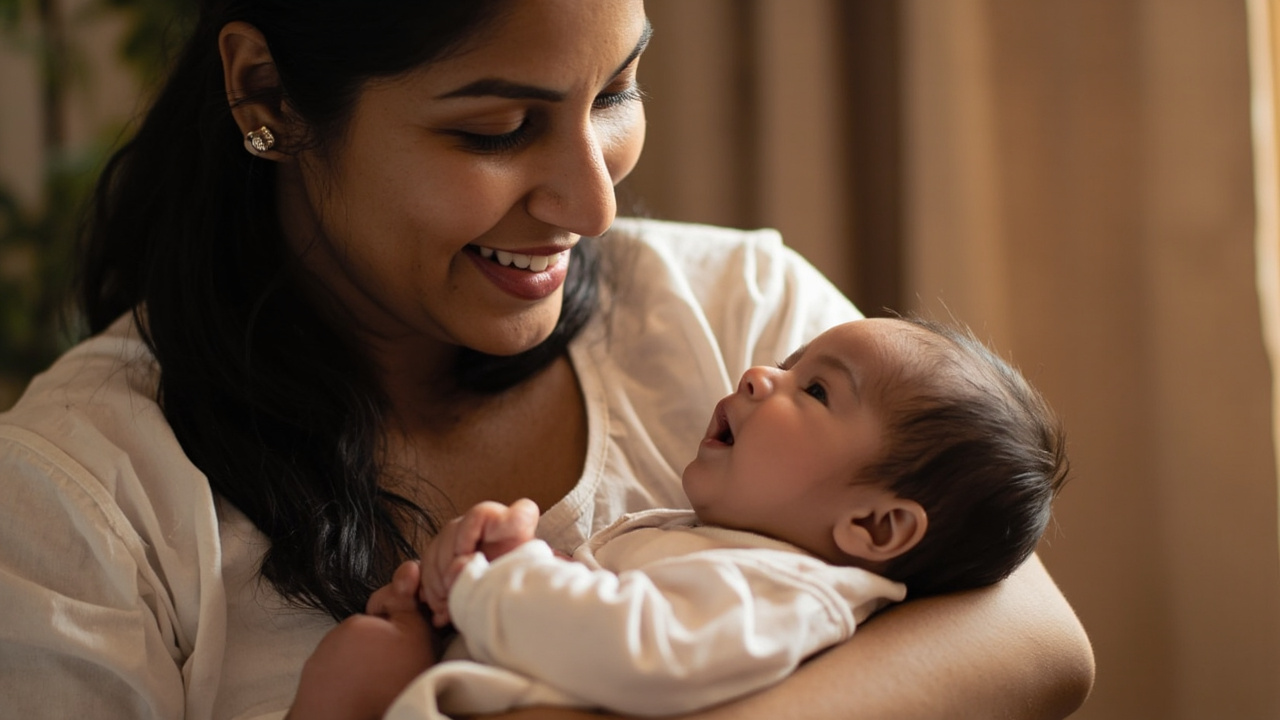 .
.
Understanding Post-Pregnancy Belly Changes
Pregnancy stretches the uterus, skin, and abdominal muscles to accommodate your growing baby. The uterus takes 6-8 weeks to return to its normal size, while skin elasticity varies based on genetics, age, and pregnancy weight gain. Diastasis recti, separation of abdominal muscles, commonly occurs and creates the pooched appearance many mothers notice. Hormonal changes during breastfeeding affect fat distribution and make fat loss more challenging initially. Understanding these normal changes prevents frustration and sets realistic expectations for your recovery timeline.
When to Start Your Fitness Journey
Medical guidelines recommend waiting for physician clearance before beginning exercise post-pregnancy. Vaginal delivery typically allows light activity within days to weeks, while cesarean sections require 6-8 weeks minimum. Start with gentle walking and pelvic floor exercises immediately if cleared by your doctor. Core strengthening should begin gradually after 6 weeks, focusing on pelvic tilts and breathing exercises before progressing to crunches. High-intensity exercise should wait until at least 12 weeks post-delivery, especially if breastfeeding. Your body will indicate readiness through recovered energy levels and absence of postpartum bleeding.
Nutrition for Post-Pregnancy Fat Loss
Proper nutrition supports both recovery and gradual fat loss without compromising milk production or energy levels. Breastfeeding mothers require approximately 500 additional calories daily, which means fat loss should occur slowly through moderate calorie reduction. Focus on nutrient-dense foods that provide maximum nutrition with appropriate calories. Protein intake supports tissue repair and helps maintain muscle mass during caloric deficit.
Key Nutrition Principles:
- Prioritize protein at every meal (dal, paneer, Greek yogurt, legumes)
- Include complex carbohydrates for sustained energy (whole grains, oats, brown rice)
- Add healthy fats in moderation (nuts, seeds, avocado, coconut oil)
- Eat frequent small meals to maintain energy and milk supply
- Stay hydrated with 8-10 glasses of water daily
Safe Core Exercises Post-Pregnancy
Strengthening your core requires careful progression to avoid worsening diastasis recti. Start with the basics and progress gradually as your body recovers.
Foundation Core Exercises:
Avoid traditional crunches and sit-ups until cleared by a healthcare provider, as these can worsen abdominal separation.
Cardiovascular Exercise for Fat Loss
Cardio exercise creates the calorie deficit necessary for belly fat reduction while improving cardiovascular health. Start with low-impact activities and progress gradually.
Post-Pregnancy Cardio Options:
- Brisk walking with your baby in a carrier or stroller
- Swimming or water walking
- Stationary cycling
- Low-impact aerobics or postnatal fitness classes
- Dancing with your baby
Managing Stress and Sleep
Stress and sleep deprivation significantly impact post-pregnancy fat loss. Elevated cortisol from stress promotes abdominal fat storage and triggers emotional eating. Sleep deprivation disrupts hormones controlling hunger and metabolism. Prioritize rest whenever possible - sleep when your baby sleeps if practical. Delegate household tasks to allow more recovery time. Practice gentle stress reduction through deep breathing, meditation, or simply sitting quietly with tea.
Realistic Timeline Expectations
Belly fat loss after pregnancy follows a gradual, non-linear path. The first 6-12 weeks focus on recovery rather than fat loss. Most mothers notice significant changes around 3-6 months with consistent effort. Complete recovery and return to pre-pregnancy shape may take 12-18 months or longer. Remember that your body performed an incredible feat - honor it with patience and realistic expectations. Non-scale victories like improved energy, better posture, and increased strength matter as much as the number on the scale.
Common Mistakes to Avoid
Several errors commonly derail post-pregnancy fitness efforts. Starting too aggressively causes injury, exhaustion, and potential milk supply issues. Extreme calorie restriction harms recovery and can trigger muscle loss. Comparing yourself to celebrity postpartum bodies creates unrealistic expectations. Neglecting strength training means missing the metabolic benefits of muscle mass. Focusing only on belly exercises cannot spot-reduce fat - overall fat loss is the only path to flatter abs.
Building a Sustainable Routine
Consistency matters more than intensity when losing post-pregnancy belly fat. Start with 15-20 minute sessions and progress gradually. Combine gentle exercise with frequent movement throughout the day rather than prolonged sitting. Include your baby in activities when possible - babies enjoy watching movement and being part of your routine. Connect with other mothers for support and motivation. Celebrate small victories along the way to maintain motivation.
Breastfeeding and Fat Loss
Breastfeeding affects how your body loses fat post-pregnancy. The hormone oxytocin released during breastfeeding helps the uterus contract and may support belly tightening. Calorie needs increase while breastfeeding, so avoid severe restriction. Aim for slow, sustainable weight loss of 0.5-1 kg per month. Stay well-hydrated and continue nutrient-dense eating to support milk quality and quantity.
Conclusion
Losing belly fat after pregnancy requires a gentle, patient approach that honors your body recovery needs. Focus on proper nutrition with adequate protein and nutrient density. Begin with core rehabilitation exercises before progressing to more intense workouts. Add cardiovascular exercise gradually while managing stress and prioritizing rest. Remember that your body grew and birthed a human - it deserves respect throughout the recovery process. With consistent effort over weeks and months, you will achieve a stronger, flatter midsection and improved overall fitness. Trust the process and celebrate your incredible journey into motherhood. TEST


