
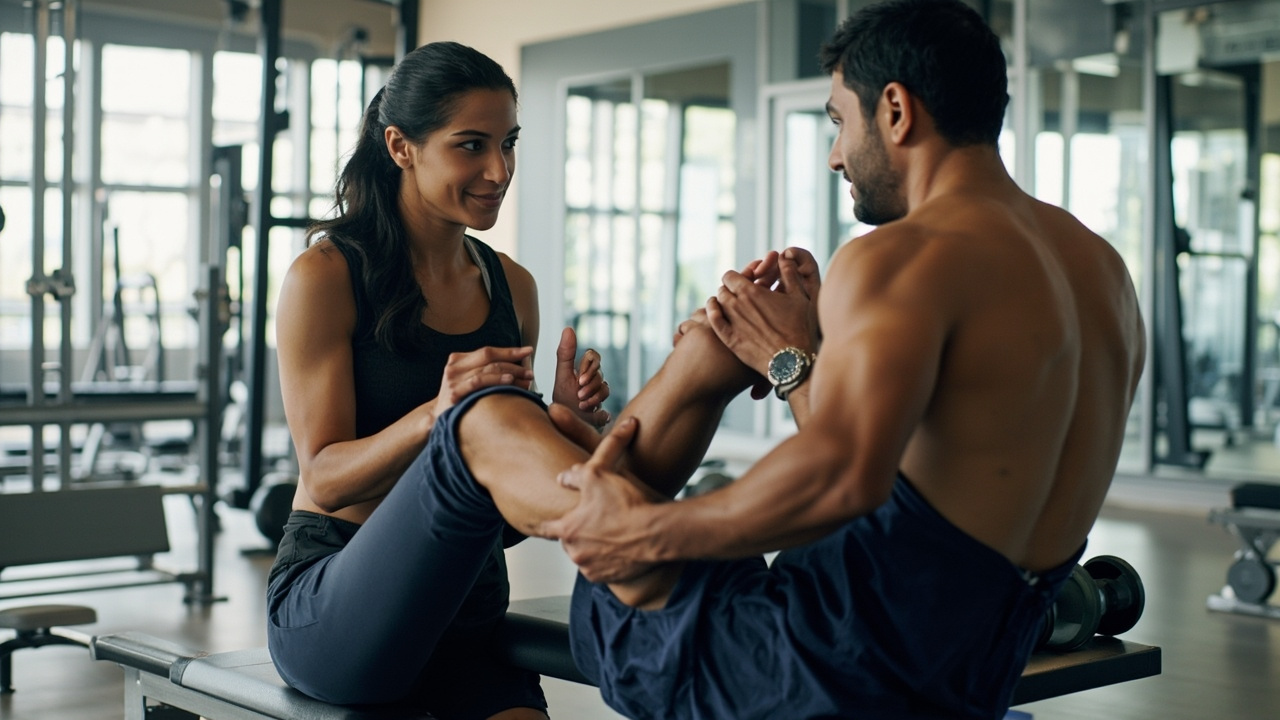
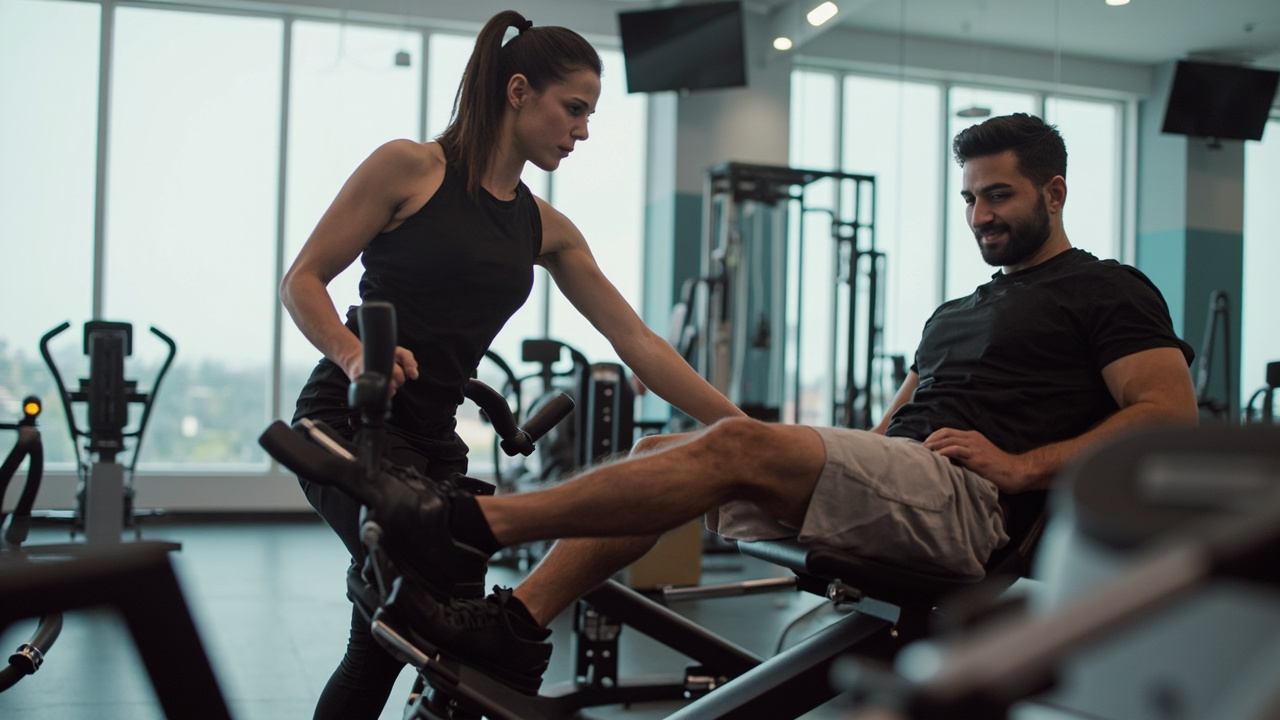
Knee pain affects millions of Indians, from young professionals in Mumbai IT parks to homemakers in Kolkata. Whether you are climbing stairs in a metro apartment or standing for hours in the kitchen, knee discomfort can derail your daily life and fitness goals. The good news? Targeted exercises, when performed correctly, can significantly reduce pain and restore mobility without medication or surgery.
Understanding knee pain is the first step toward overcoming it. Your knees bear enormous forces during everyday activities - walking loads 1.5 times your body weight, climbing stairs loads 3-4 times, and squatting loads 5-8 times. Common causes include osteoarthritis, patellofemoral syndrome, tendonitis, ligament strain, and meniscus irritation. Whatever the cause, appropriate movement promotes healing rather than hindering it.

The Science Behind Exercise and Knee Healing
Research from the Hospital for Special Surgery confirms that exercising with knee pain is not only possible but beneficial. Contrary to old beliefs about rest and immobility, controlled movement actually promotes blood flow, delivers nutrients to damaged tissues, and stimulates healing in tendons, ligaments, and cartilage.
The key lies in appropriate dosage and technique. Too little movement leads to muscle atrophy and joint stiffness. Too much aggravates inflammation. The sweet spot involves gentle, controlled exercises that strengthen supporting muscles without stressing the joint itself. Consistency matters more than intensity - daily moderate practice outperforms occasional intense sessions.
Strong quadriceps muscles are particularly crucial for knee health. These muscles absorb shock, stabilize the joint, and reduce stress on bones and cartilage. When quadriceps are weak, knee pain often worsens over time. Similarly, strong hamstrings, glutes, and hip muscles provide a supportive network that protects the knee during movement.
Best Knee-Strengthening Exercises for Home Workouts
Straight Leg Raises
This foundational exercise strengthens quadriceps without any joint loading, making it perfect for early rehabilitation.
Lie on your back with one leg bent, foot flat on the floor. Keep the affected leg straight and tighten your thigh muscle. Slowly lift the leg 6-8 inches off the ground, hold for 5 seconds, and lower slowly. Repeat 10-15 times for 2-3 sets daily. This isolates quadriceps strengthening that knee pain often prevents through other exercises.
Quad Sets
Simple yet powerful, quad sets require no equipment or movement - just static muscle contraction.
Sit or lie with the affected leg straight. Tighten your upper thigh muscle by pressing your knee downward toward the floor. Hold the contraction for 5-10 seconds. Repeat 10-20 times, several sessions daily. This builds strength without any joint stress, making it ideal during flare-ups.
Half Squats
Standing half squats strengthen multiple muscle groups while maintaining joint safety.
Stand with feet shoulder-width apart, hands resting on thighs or reaching forward for balance. Slowly lower your hips about 10 inches, as if sitting into a chair. Keep your chest lifted and weight in your heels. Hold for 5 seconds, then push through heels to stand. Repeat 10-15 times. The partial range of motion provides strength training without excessive joint loading.
Wall Slides
Standing wall slides offer supported strengthening for those needing balance assistance.
Stand with your back against a wall, feet shoulder-width apart about 12 inches from the wall. Slowly slide down by bending knees to a 45-degree angle. Hold 5-10 seconds, then slide back up. Repeat 10-15 times. The wall provides balance support while your legs do the strengthening work.
Step-Ups
Progressive step-ups build functional strength through realistic movement patterns.
Start with a low step (4-6 inches). Step up with your affected leg, bringing the other leg to meet it. Step down with control. Use a railing for balance if needed. As strength improves, progress to taller steps. This exercise mirrors daily activities like climbing stairs, making it highly functional.
| Exercise | Target Muscle | Sets x Reps | Daily Frequency |
|---|---|---|---|
| Straight Leg Raises | Quadriceps | 2-3 x 10-15 | 2-3 times |
| Quad Sets | Quadriceps | 3 x 10-20 | 3-5 times |
| Half Squats | Quads, Glutes, Hamstrings | 2-3 x 10-15 | Daily |
| Wall Slides | Quadriceps | 2-3 x 10-15 | Daily |
| Step-Ups | Glutes, Quads, Hamstrings | 2-3 x 10-12 | Daily |
| Calf Raises | Calves | 2-3 x 15-20 | Daily |
| Heel Slides | Hamstrings, Calves | 2-3 x 10-15 | Daily |
| Stationary Cycling | Overall Leg Strength | 15-20 min | 3-5 times weekly |

Essential Stretches for Knee Pain Relief
Tight muscles around the knee increase joint stress through altered mechanics. Regular stretching restores flexibility and reduces pain.
Hamstring Stretch
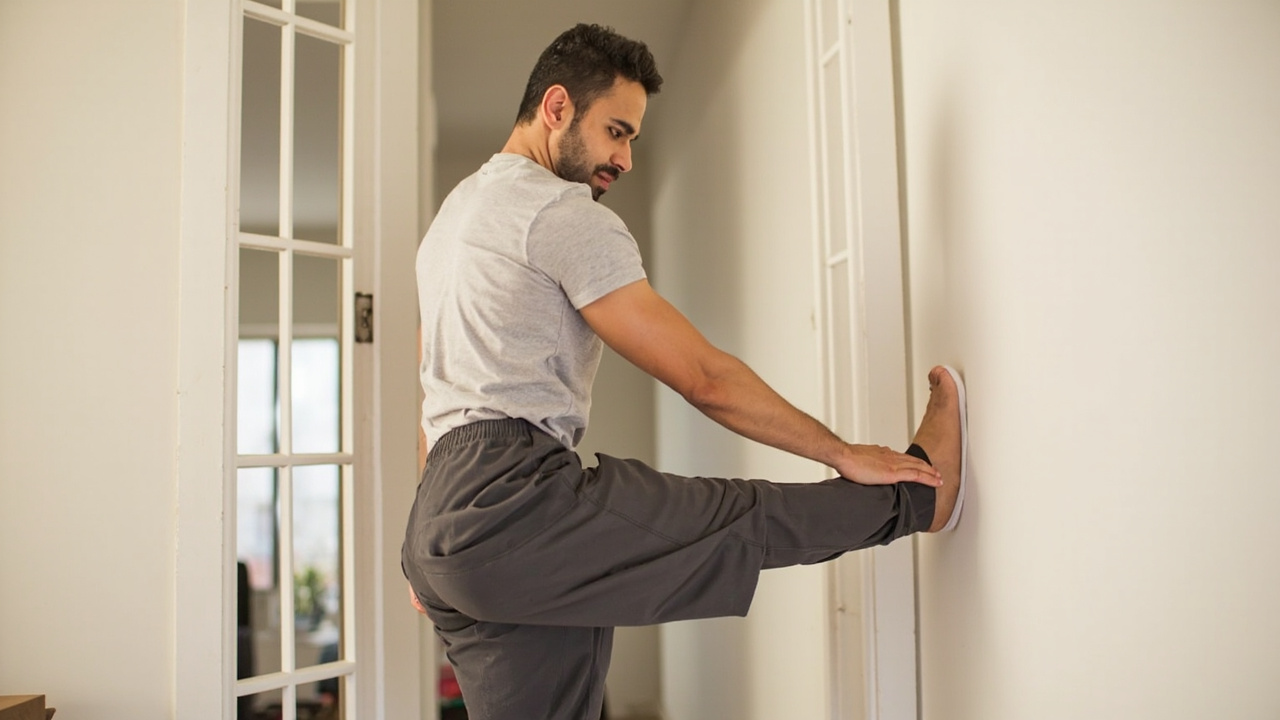
Lie near a doorway with your affected leg extended up against the wall. Keep the leg straight and gently lean toward it until you feel a mild stretch. Hold for 30-60 seconds. Never bounce - sustained gentle pressure is more effective and safer. Perform 2-3 times daily for best results.
Quadriceps Stretch
Stand holding a chair or wall for balance. Bend your affected knee and bring your heel toward your buttock. Grasp your ankle and gently pull the heel closer. Keep your knees together and hold for 30-60 seconds. Tight quadriceps pull on the kneecap, so stretching provides direct relief.
Calf and Heel Cord Stretch
Face a wall with your unaffected leg forward with a slight bend and affected leg straight behind. Keep both heels flat and press your hips forward toward the wall. Hold for 30 seconds. This stretch targets the gastrocnemius-soleus complex, which influences knee mechanics.
Nutrition for Joint Health: Indian Diet Focus
Supporting knee health extends beyond exercise into nutrition. Your joints require specific nutrients to repair and maintain cartilage, bone, and connective tissues.
Protein forms the foundation of tissue repair. Include dal varieties like masoor dal and chana dal in your daily diet. Paneer provides quality protein for muscle and tissue maintenance. Greek yogurt offers easily digestible protein that supports recovery. Eggs contribute essential amino acids for tissue healing.
Anti-inflammatory foods help reduce knee pain naturally. Ginger and turmeric, staples in Indian cooking, possess powerful anti-inflammatory properties. Include haldi in warm milk or add fresh ginger to dal preparations. Omega-3 fatty acids from mustard oil and some dal varieties help reduce joint inflammation.
Collagen-supporting nutrients matter for cartilage health. Vitamin C from amla, guava, and citrus fruits supports collagen synthesis. Bone broth from chicken provides glycosaminoglycans for cartilage maintenance. Including these foods regularly supports long-term joint integrity.
Calcium and vitamin D maintain bone density around knee joints. Milk, paneer, and yogurt provide calcium. Sunlight exposure helps your body produce vitamin D naturally. For those with lactose intolerance, fortified foods and leafy greens offer alternative calcium sources.
Low-Impact Cardio for Knee Health
While high-impact activities like running and jumping stress knee joints, low-impact cardio maintains fitness without aggravating pain.
Swimming and Water Aerobics
Water supports body weight, eliminating joint loading while providing resistance for muscle strengthening. Many exercises that cause pain on land become possible in water. Public pools in most Indian cities offer affordable access for regular sessions.
Stationary Cycling
Cycling improves range of motion, flexibility, and strength with minimal joint stress. Adjust seat height so your leg straightens completely at the pedal bottom. Begin with low resistance and short duration. Gradually increase as comfort allows. Recumbent bikes reduce joint loading further.
Walking
Simple walking improves both strength and flexibility while boosting circulation. Start with shorter durations and slower pace. Progress gradually by increasing distance or adding slight inclines. If walking causes pain, try splitting sessions into multiple shorter walks.
Warning Signs: When to Stop and Seek Help
Exercise helps most types of knee pain, but not all conditions respond to home management.
Stop exercising and consult a doctor if you experience significant swelling or redness, locking or catching that prevents straightening, pain from high-force injury, knee instability or giving way, fever accompanying discomfort, pain that wakes you at night, or no improvement after 2-3 weeks of consistent home exercise.
Physical therapy may prove more beneficial than home exercise alone for many conditions. A physical therapist can design a program specific to your injury and supervise your progress.
Building Sustainable Knee Health
Long-term knee wellness requires attention beyond pain episodes. Maintain strength in supporting muscles through regular exercise even after pain resolves. Continue flexibility work as maintenance. Avoid sudden activity increases that overwhelm adaptation.
Address hip and ankle limitations that affect knee mechanics - tight hips or stiff ankles change how force travels through your knees. Weight management significantly reduces joint loading. Appropriate footwear supports proper lower limb alignment.
Invest in your knees through appropriate movement starting today. Your knees serve you for a lifetime - give them the attention they deserve. Consistent, controlled exercise rebuilds function and prevents future problems. Start gently, stay consistent, and rebuild knee health through patient, persistent effort.